
Hidden water damage San Diego homeowners often miss
Water damage rarely stays where you first notice it. A small stain near a baseboard, a musty smell under a sink, or one soft spot in the drywall may only be the visible end of a much larger moisture path.
Water follows gravity, but it also travels sideways through framing, insulation, flooring, and small gaps between materials. That’s why finding the source matters just as much as repairing the damaged surface.
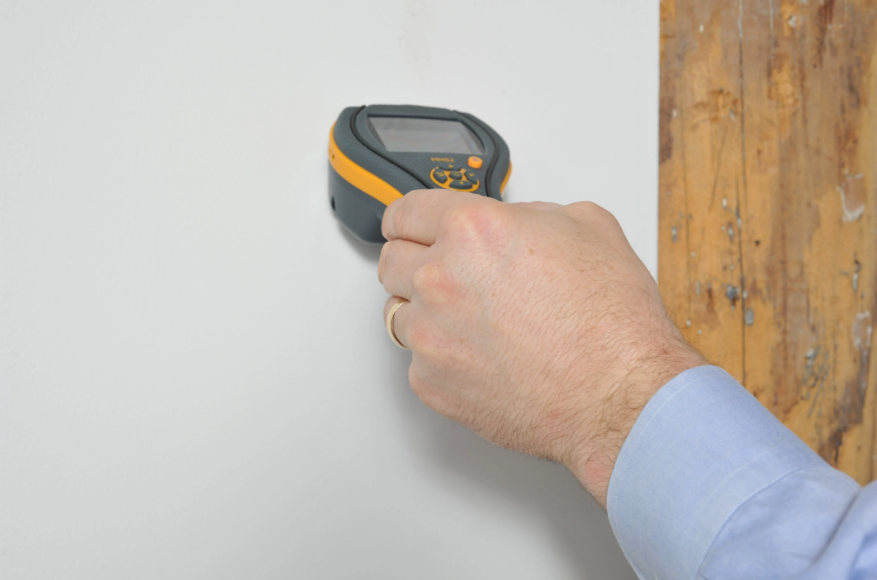
Looks dry… but isn’t always dry
Drywall can appear normal while the insulation or wood framing behind it remains damp. Paint and finished surfaces may hide moisture long enough for odors, staining, swelling, or microbial growth to develop.
Simply repainting a stain or patching a soft area won’t solve the problem if moisture is still trapped inside the wall.
Under cabinets and built-ins
Kitchen and bathroom cabinets often conceal slow plumbing leaks. Water can collect beneath the cabinet base, soak into particleboard, and spread along the wall before it becomes visible.
Watch for swollen cabinet panels, peeling finishes, discoloration, persistent odors, or flooring that feels uneven near a sink, dishwasher, refrigerator, or vanity.
Between floors and ceilings
An upstairs bathroom leak may not appear directly below the fixture. Water can travel along pipes, floor joists, or ceiling framing before finding a place to drip.
The ceiling stain downstairs might be several feet away from the actual source. Shower waterproofing, toilet seals, supply lines, drains, and plumbing connections should all be considered during an inspection.
Behind tile and shower walls
Tile and grout are the surfaces you see, but the waterproofing system behind them does the real work. Cracked grout or loose tile can be a warning sign, though leaks may also develop from failed waterproofing, plumbing penetrations, or poorly sealed transitions.
By the time nearby drywall or baseboards show damage, moisture may already have reached the wall cavity or subfloor.
Around doors, windows, and exterior walls
Rainwater can enter through failed sealant, flashing problems, stucco cracks, roof transitions, or gaps around windows and doors. Once inside, it may move through framing and appear far from the original opening.
This is especially important when stains seem to appear only after windy or heavy rain.
The visible damage is only the starting point
A thorough repair should answer three questions: Where did the water enter? How far did it travel? Are the affected materials actually dry?
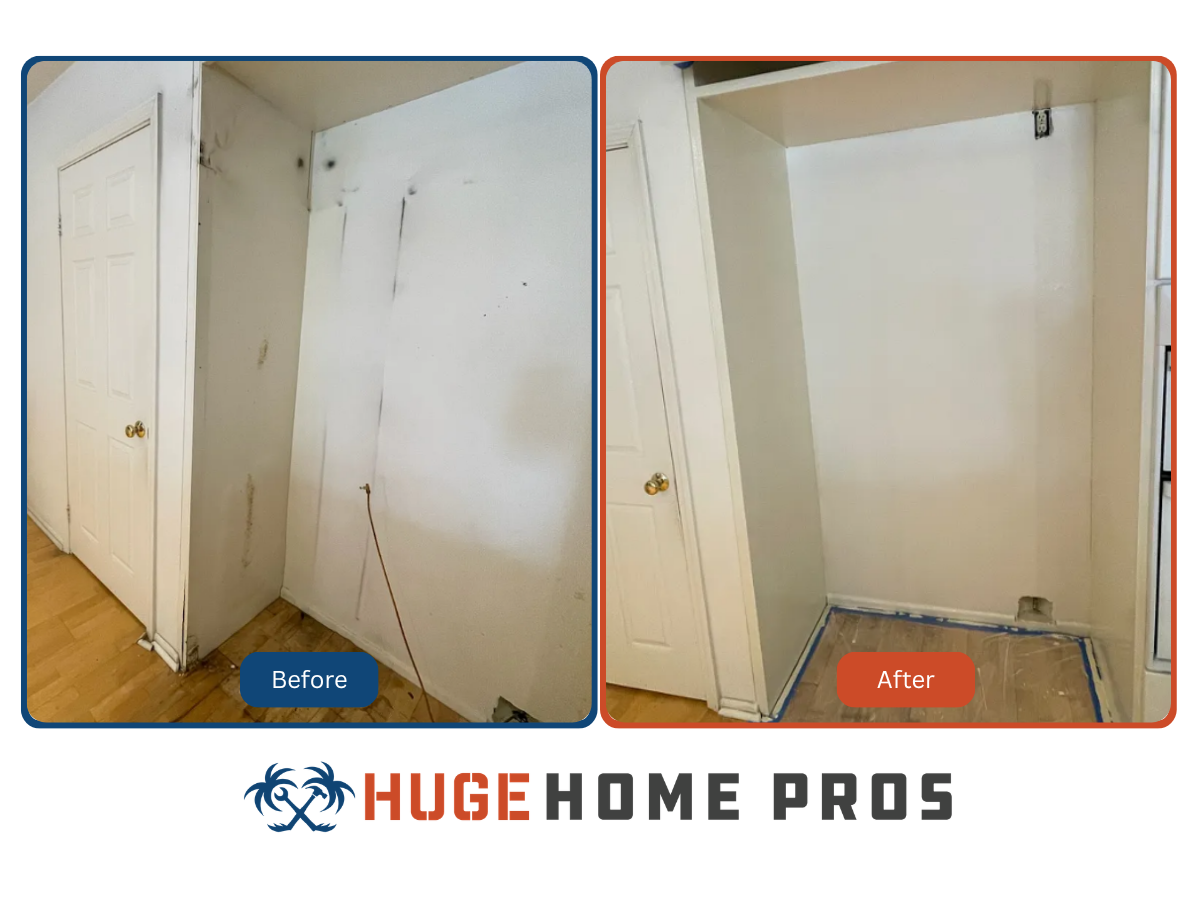
At Huge Home Pros, we look beyond the cosmetic symptoms to help San Diego homeowners understand the underlying cause. If you notice staining, swelling, softness, or an unexplained musty smell, reach out before covering it up. A careful inspection can prevent a small moisture problem from turning into a much larger repair.