

Humidity is easy to overlook because you cannot always see it. But when indoor moisture stays too high, your home often begins leaving small clues: a musty cabinet, peeling paint, swollen trim, recurring bathroom mildew, or windows that collect condensation.
These signs may seem cosmetic, but they can point to a ventilation problem, a hidden leak, or moisture that is not drying properly.
Where indoor humidity comes from
Everyday activities add moisture to the air. Cooking, showering, running the dishwasher, drying laundry, and even breathing all contribute. Coastal air can also affect homes in San Diego, especially when windows remain open or rooms have limited airflow.
Normally, that moisture escapes through ventilation or dries without causing trouble. Problems begin when it becomes trapped in bathrooms, closets, cabinets, wall cavities, or other enclosed areas.
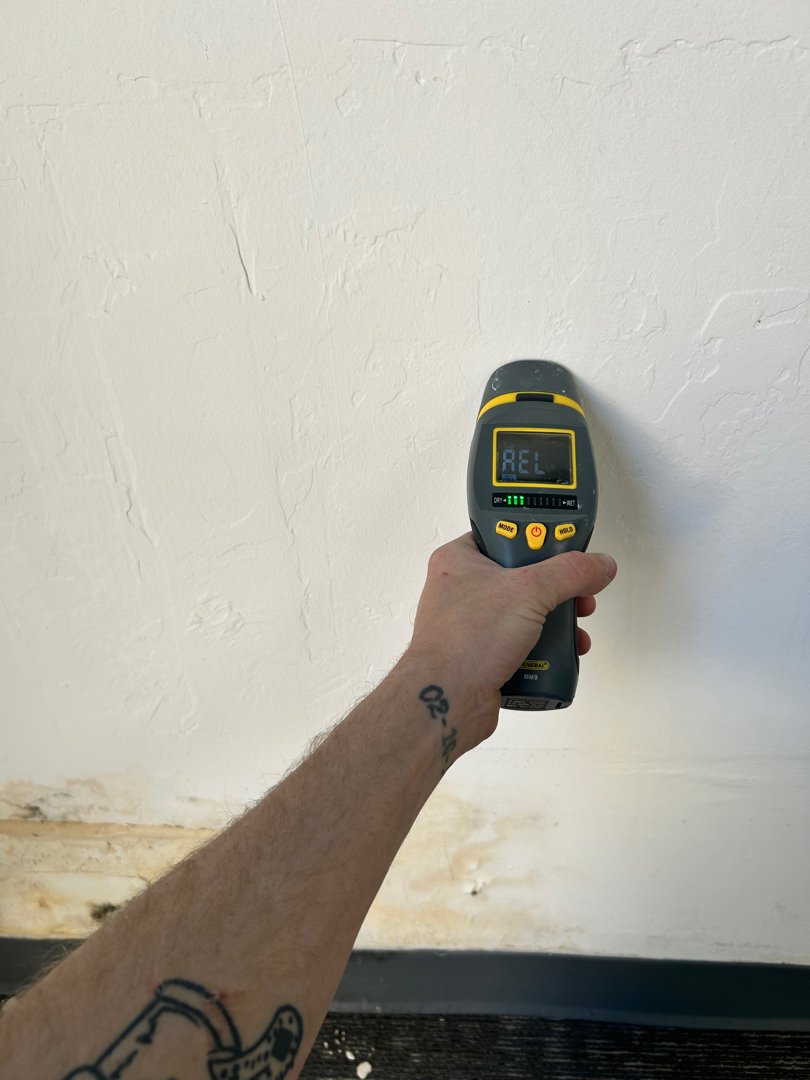
What homeowners can check
Pay attention to rooms that smell musty, take a long time to dry, or repeatedly develop mildew. Make sure bathroom exhaust fans vent properly and continue running after showers. Use the kitchen exhaust fan while cooking, and avoid placing furniture tightly against damp exterior walls.
An inexpensive humidity monitor can also help. Many homes are most comfortable when indoor relative humidity stays roughly between 30% and 50%, although conditions vary by season and location.
Small detail, big impact…
Excess humidity can affect more than comfort. Wood doors and cabinets may swell or stop closing correctly. Paint can bubble or peel. Drywall may soften, and metal hardware can begin to corrode.
Tile itself handles moisture well, but the materials behind it still need proper waterproofing and ventilation. That is why recurring mildew around a shower should not always be dismissed as a cleaning issue. Sometimes the room simply stays damp too long. In other cases, failing grout, caulk, plumbing, or waterproofing may be contributing.
The difference between humidity and a leak
High humidity usually affects a broader area and may change with the weather, shower use, or ventilation. A leak is often more concentrated, producing a stain, soft spot, damaged cabinet base, or a persistent odor in one location.
The two can also overlap. A slow plumbing leak may raise moisture levels inside a cabinet or wall without producing an obvious puddle. Before repairing the visible damage, it is important to identify which condition is actually present.
Fix the cause before the finish
Replacing damaged drywall, repainting a wall, or installing new trim will not solve a moisture problem by itself. If the underlying humidity, ventilation, or leak issue remains, the damage is likely to return.
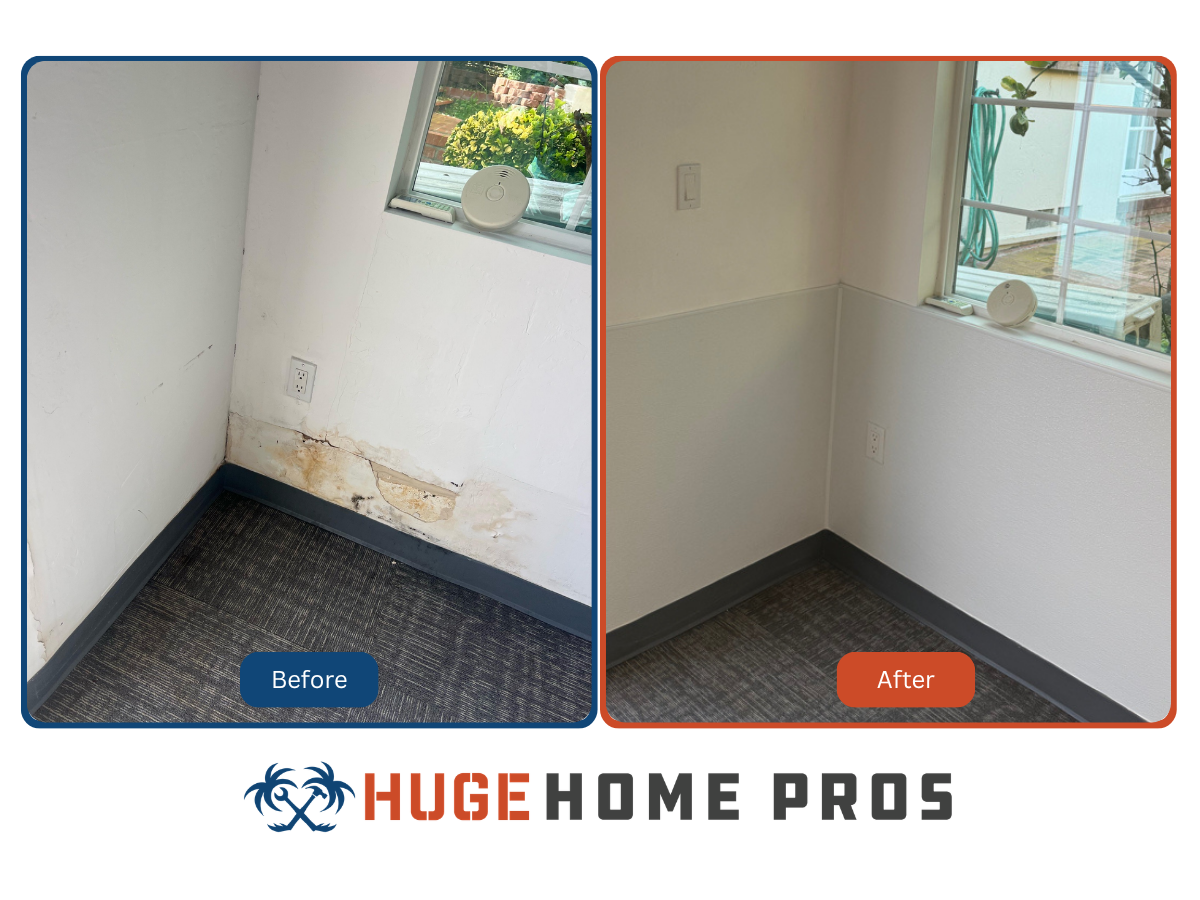
If you are noticing unexplained swelling, stains, odors, or recurring mildew, Huge Home Pros can help investigate the source and determine what needs attention. A careful look early can often prevent a small moisture issue from becoming a much larger repair.