
San Diego Remodel Tip: When Carpentry Is More Than Cosmetic
Some carpentry is meant to be seen. Some is meant to hold the house together. Knowing the difference can help you make better repair and remodel decisions.
Looks simple… until the wall opens up.
Carpentry can mean a lot of different things in a home. Sometimes it means clean trim, cabinet adjustments, baseboards, casing, doors, shelving, or other visible finish work. Other times, it means framing, load paths, damaged studs, beams, joists, headers, or support issues hiding behind drywall.
Both matter. But they are not the same type of work, and treating them the same can lead to expensive surprises.
Cosmetic carpentry is about fit, finish, and appearance
Cosmetic carpentry is the work most homeowners notice first. It is the straightness of a door casing, the tightness of a miter, the way baseboards meet the floor, or how cabinet panels line up after an installation.
This kind of work affects how polished a remodel feels. Even when the major construction is done correctly, sloppy finish carpentry can make the whole project look rushed.
Good cosmetic carpentry takes patience. Walls are rarely perfectly straight, floors are not always level, and older San Diego homes often have little quirks that require careful fitting instead of forcing standard pieces into place.
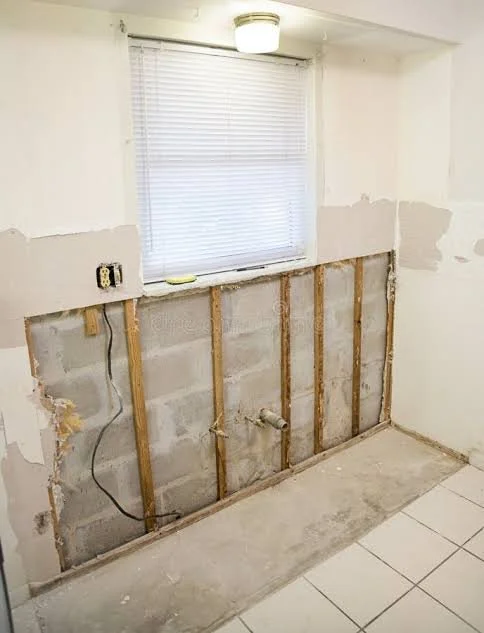
Structural carpentry is about support
Structural carpentry is different because it deals with what the home relies on for strength. This can include framing walls, replacing damaged wood, installing headers, correcting sagging areas, repairing floor systems, or addressing rot and water damage that has affected the structure.
This work may not be visible once the drywall goes back up, but it is often the most important part of the job.
A beautiful finish can hide a weak repair for a while, but it cannot fix the underlying problem. If framing is damaged, cut incorrectly, undersized, or poorly supported, the cosmetic layer is just covering up risk.
Where homeowners get caught off guard
One common mistake is assuming a carpentry issue is only cosmetic because the visible problem looks minor. A sticking door, cracked trim, uneven flooring, or separation around a window may seem like small finish details.
Sometimes they are. But sometimes they are clues that something underneath has shifted, swollen, rotted, settled, or been modified incorrectly in the past.
That does not mean every small crack is a major structural concern. It just means the cause matters. The smartest repairs start by asking, “Is this just the surface, or is the surface showing us something deeper?”
The difference shows up over time
Cosmetic carpentry is judged by how clean it looks. Structural carpentry is judged by how well it performs.
If the structure is solid, finish work has a much better chance of staying clean, square, and stable. If the structure is moving, damaged, or poorly built, the visible details often start to fail again.
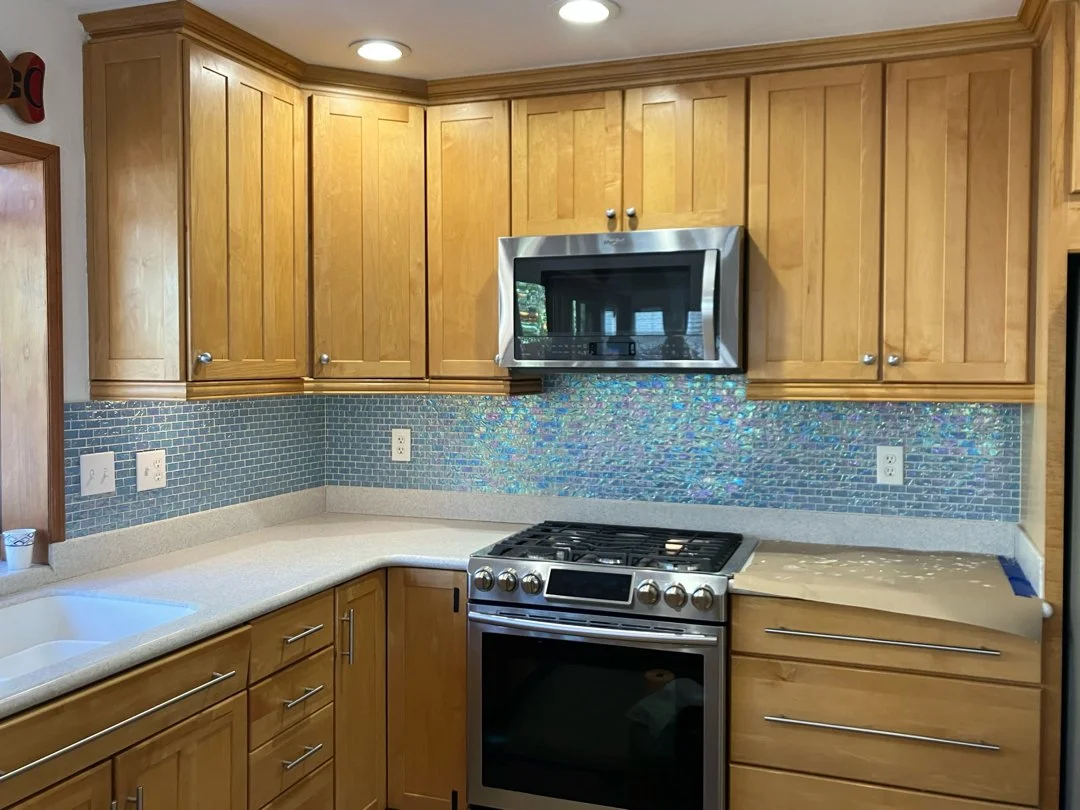
That is why experienced carpentry is not only about making something look good on day one. It is about understanding what is behind the surface before deciding how to fix what is in front of you.
At Huge Home Pros, we look at both sides of the job: the finish people see and the condition underneath it. If you are planning a remodel or dealing with a carpentry issue in your San Diego home, we are happy to take a closer look and help you understand what kind of repair you are really dealing with.