
5 Early wood rot warning signs in San Diego homes
Wood rot rarely begins with an obvious hole or a badly damaged board. More often, it starts with small changes around exterior trim, windows, doors, rooflines, and other areas where water tends to linger.
Recognizing those early signs can mean the difference between a focused repair and a much larger project later.
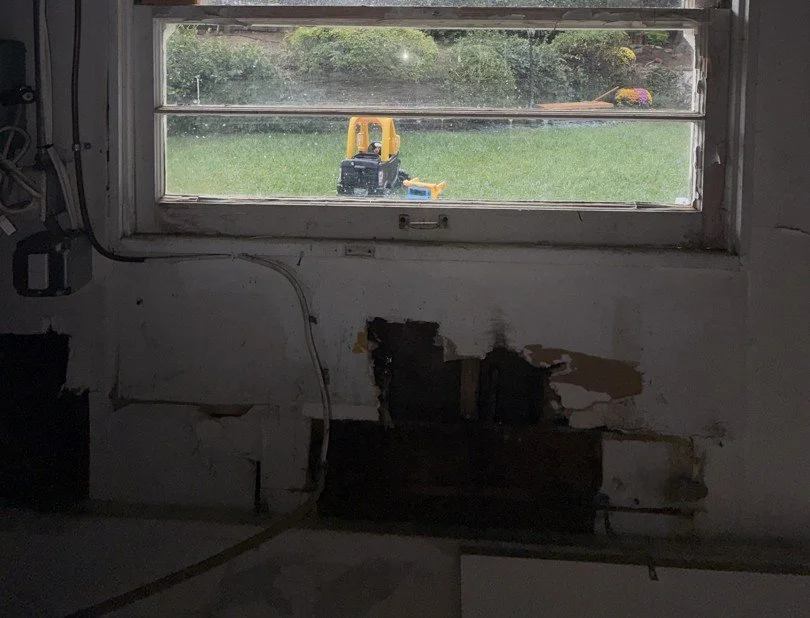
Soft trim is an early warning
Exterior trim should feel solid. If it gives under light pressure, feels spongy, or crumbles at the edges, moisture may already be breaking down the wood.
Pay particular attention to the bottoms of door frames, window trim, fascia boards, and posts. These areas often absorb water repeatedly before the damage becomes easy to see.
Peeling paint may be more than a paint problem
Paint can peel from age or sun exposure, but peeling that keeps returning in the same spot may point to trapped moisture underneath.
Simply scraping and repainting can improve the appearance temporarily. If the wood is damp or deteriorating, however, the new finish may fail again. The moisture source and the condition of the material need to be checked first.
Discoloration tells a story
Dark streaks, gray patches, green growth, or uneven staining can show where water regularly travels or collects.
Not every stain means the wood is rotten. Still, recurring discoloration deserves a closer look, especially near joints, corners, fasteners, and horizontal surfaces. Sometimes the visible mark is several inches away from where the water first entered.
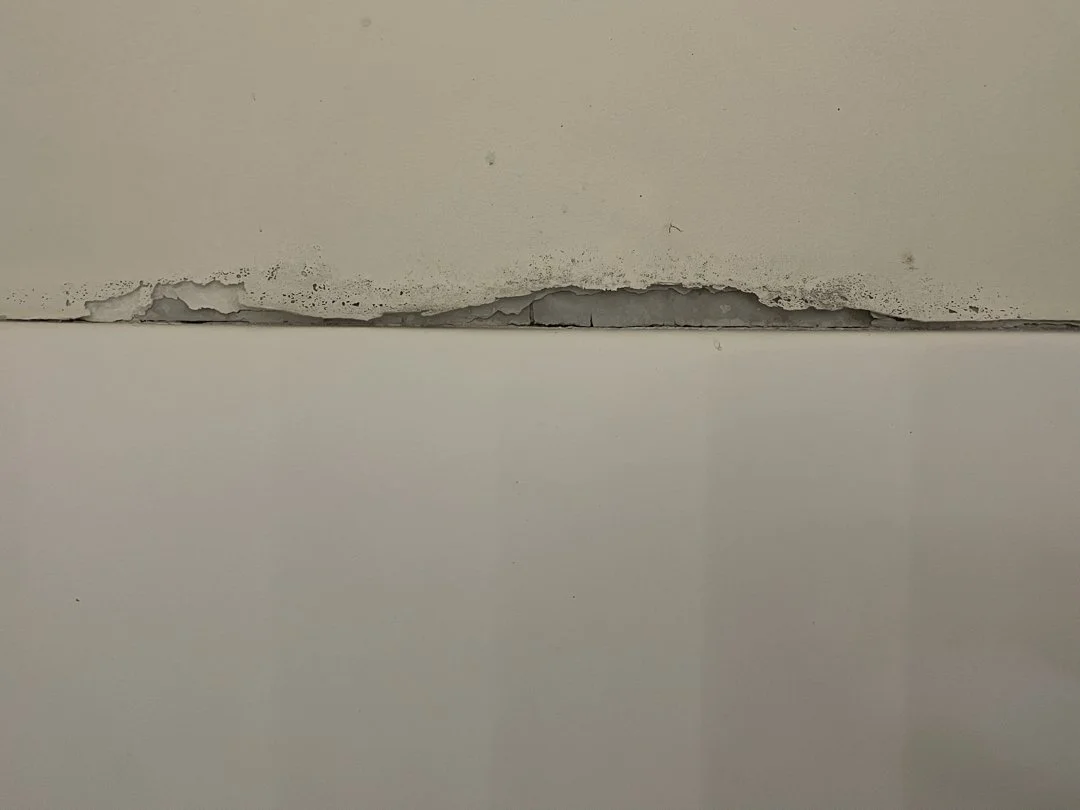
Open joints give water an easy path
Small gaps where trim boards meet may not look serious, but they can allow water behind the surface. Failed caulking, separated corners, and loose connections around windows and doors are common entry points.
Once moisture gets behind painted wood, it can remain trapped and cause damage that develops out of sight.
Look closely at water collection points
Flat trim, poorly sloped ledges, post bases, deck connections, and the lower corners of windows and doors can hold water longer than surrounding surfaces. Splashback from sprinklers or roof runoff can make the problem worse.
The practical question is not only, “Is the wood damaged?” It is also, “Why is water collecting here?” A lasting repair should address both.
Early attention usually keeps the repair simpler
Wood rot does not always require replacing an entire wall, window, or structure. When caught early, the affected material may be limited to a small section. The key is determining how far the damage extends and correcting the moisture condition that caused it.
If you notice soft trim, recurring peeling paint, dark spots, open joints, or areas that stay wet, Huge Home Pros can help evaluate the problem and explain the repair options. A careful inspection now can prevent a cosmetic warning sign from becoming a much larger San Diego home repair.