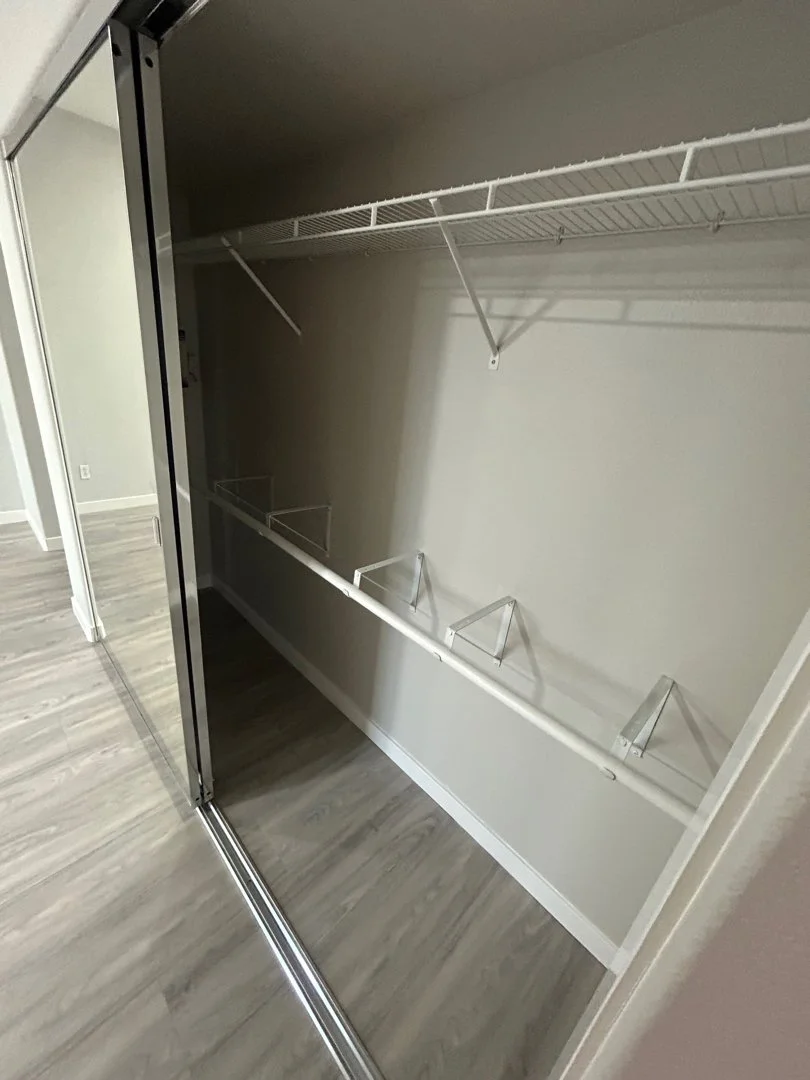
Closet doors shouldn’t cost this much… right?
At first glance, closet doors seem simple. A couple panels, some tracks, maybe a handle or two. So when a quote comes in around $3,000 for labor and materials, it can feel… off.
But once you look a little closer, that number usually starts to make a lot more sense.
Looks simple… until you open the wall
Closet doors don’t live in isolation. They depend on the opening being straight, level, and structurally sound. In many homes—especially older ones—that opening has shifted over time.
Floors slope. Walls bow. Headers sag slightly.
Before new doors go in, we often have to correct those issues. That might mean reframing the opening, shimming for level, or reinforcing areas that aren’t holding properly. Without that step, even high-end doors won’t slide or swing the way they should.
The difference between basic and built-to-fit
There’s a big gap between off-the-shelf doors and something that actually fits your space cleanly.
Many closet openings aren’t standard sizes. That means trimming, modifying, or ordering custom-sized doors. Once you go custom—or even semi-custom—the material cost alone goes up quickly.
Then there’s the finish. Matching existing trim, selecting the right panel style, getting clean edges, and making sure everything lines up visually with the rest of the room—it all takes time and precision.
Hardware matters more than people expect
Tracks, rollers, hinges, soft-close systems—this is where a lot of quality differences show up.
Lower-end hardware can feel fine on day one but start sticking, wobbling, or wearing out within a year or two. Higher-quality systems cost more upfront, but they glide better, last longer, and feel solid every time you use them.
It’s one of those details people don’t think about until they deal with a bad one.
Labor isn’t just “installation”
A big part of the cost is skilled labor—not just putting doors in, but making them work properly.
That includes:
Prepping and adjusting the opening
Precise alignment so doors don’t rub or gap
Installing and tuning hardware
Finishing details like trim, casing, and paint touch-ups
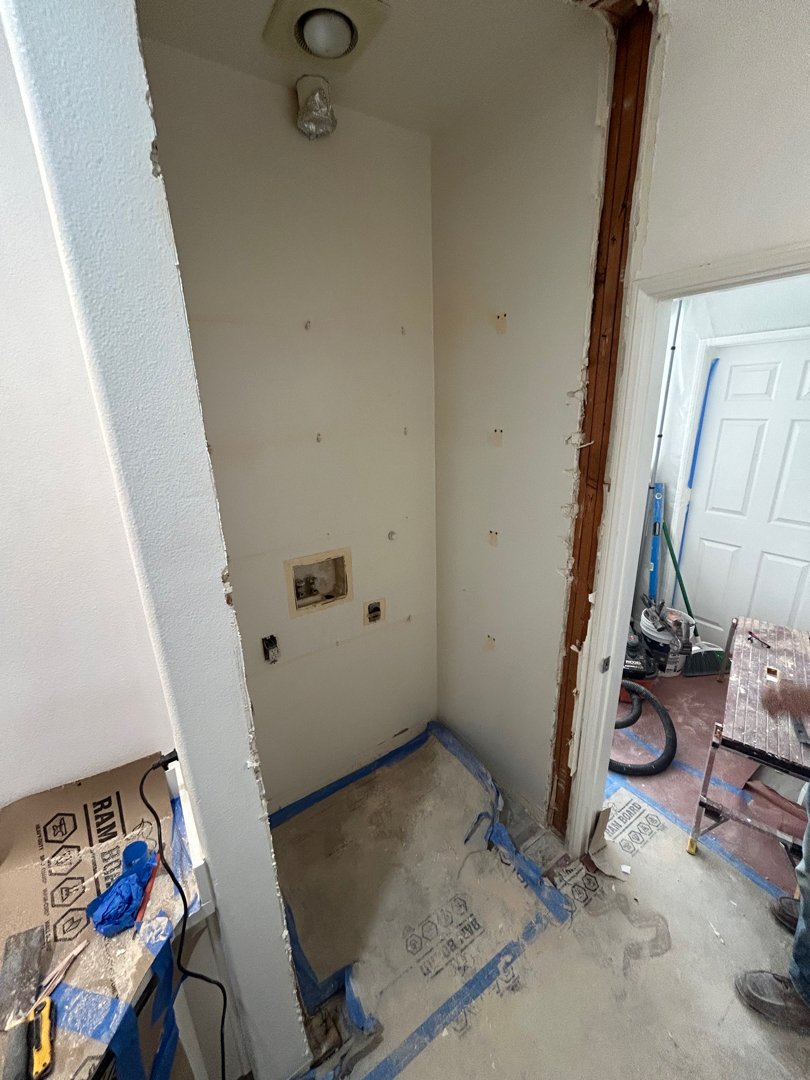
Clean work here is what separates something that looks “installed” from something that looks like it was always part of the home.
Where this starts to go wrong
The most common issue we see is when closet doors are treated like a quick swap.
Someone installs new doors into a crooked opening, uses lower-end hardware, and skips the fine adjustments. At first, it seems okay. Then the sticking starts. The gaps show. The doors don’t sit right.
Fixing that later usually costs more than doing it properly the first time.
The real takeaway
That $3,000 number isn’t just about the doors—it’s about everything required to make them fit, function, and last in your specific space.
When it’s done right, it’s one of those upgrades that quietly improves how your home feels every single day.
If you’ve been thinking about replacing closet doors or wondering what goes into the cost, we’re always happy to walk you through it and give you a clear, honest breakdown.