
Loose boards and wobbly railings: A San Diego home deck check
Your deck may look solid, but if it feels bouncy underfoot, shifts when people walk across it, or has railings that move when touched, it deserves a closer look. A little movement does not automatically mean the deck is unsafe. Still, noticeable changes can reveal loose connections, aging materials, or support problems that should be addressed before they get worse.
A little flex can be normal
Wood naturally has some flexibility, especially across longer spans. The amount of movement depends on the deck’s size, framing, materials, and how it was built.
The important question is whether the movement feels excessive or has changed over time. If the deck suddenly feels softer, shakier, or less stable than it used to, something may have loosened or weakened.
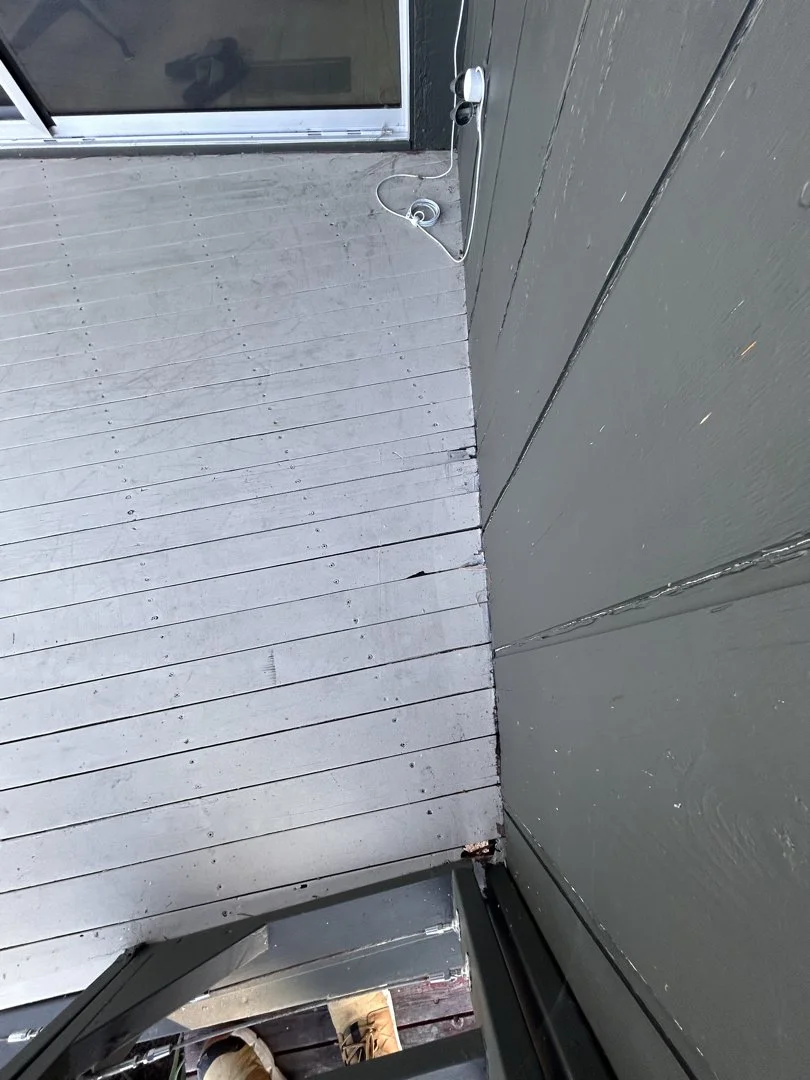
When boards move underfoot
A loose deck board may simply need new fasteners. Screws and nails can back out as wood expands, contracts, and ages in the sun.
But movement can also point to deterioration beneath the surface. If a board feels spongy, cracked, or unusually soft, moisture may have damaged the wood. Replacing the visible board without checking the framing below it could leave the real issue untouched.
A bouncy surface can start underneath
When a larger section of the deck flexes, the problem may involve the joists, beams, posts, or their connections. Framing members may be undersized, spaced too far apart, or weakened by rot. Hardware can also corrode or loosen, particularly where water tends to collect.
In San Diego, outdoor structures face plenty of sun, but moisture still matters. Coastal air, irrigation overspray, poor drainage, and water trapped around connections can gradually shorten the life of deck materials and metal hardware.
Unstable railings need prompt attention
A railing should not wobble noticeably when you lean against it. Movement can come from loose fasteners, weakened posts, damaged framing, or connections that were never strong enough.
Simply driving in another screw may tighten things temporarily, but it will not help if the wood holding that screw is already split or deteriorated. Because railings are a safety feature, their posts and attachment points should be inspected carefully.
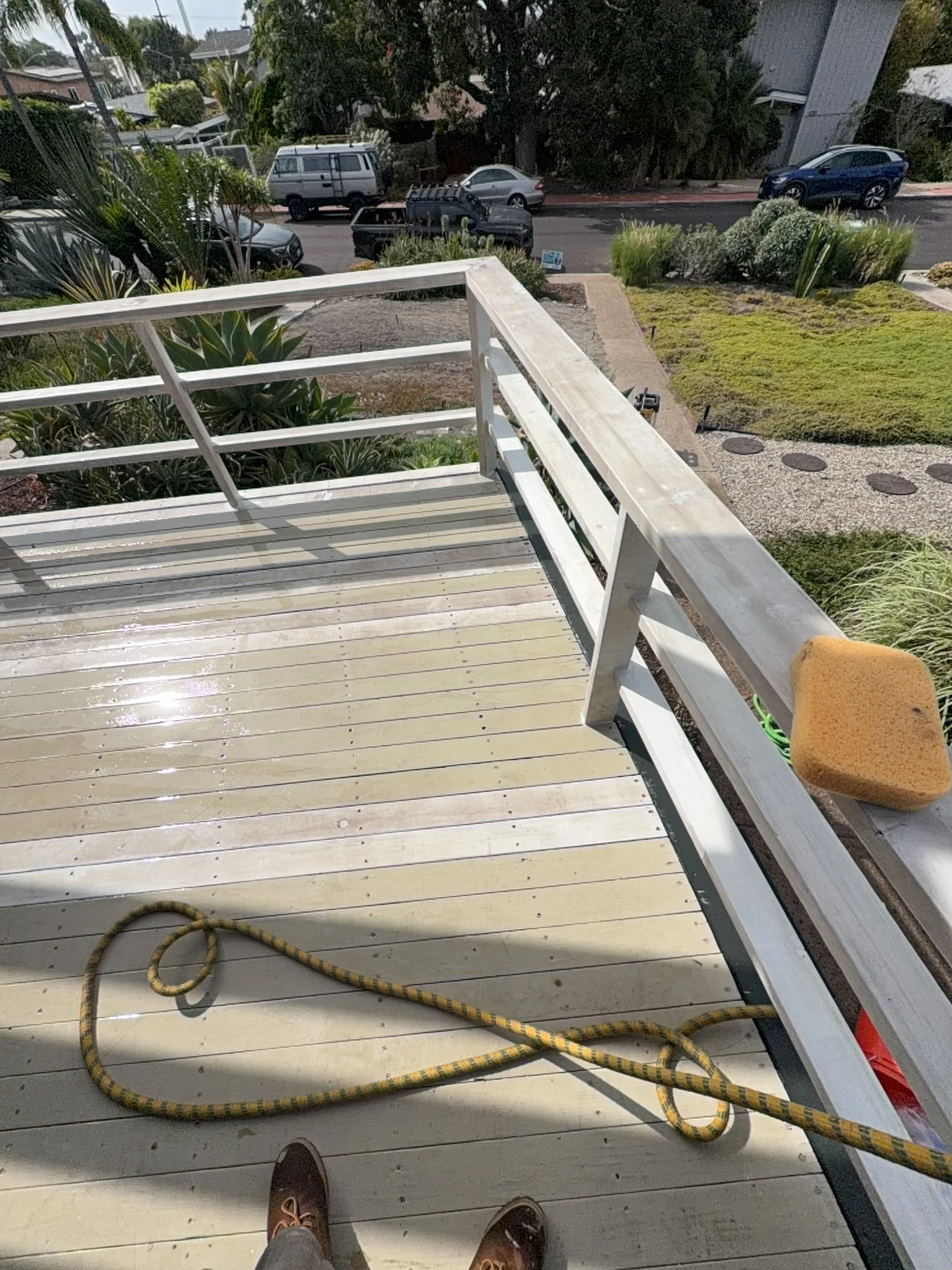
Look beyond the obvious spot
Deck problems often begin where they are difficult to see: around post bases, beneath boards, at beam connections, or where the deck attaches to the house. Water stains, rusted hardware, cracked wood, raised fasteners, and gaps between connected parts are all worth noticing.
If your deck has developed new movement, loose boards, or unstable railings, Huge Home Pros can help determine whether it needs a straightforward repair or a closer look at the underlying structure. A proper inspection can prevent a small maintenance issue from becoming a much larger project.