
Removing a Chimney: How to Tell If It’s Structural or Not
Chimneys are one of those features a lot of homeowners want to remove — especially when they’re no longer being used and just taking up space.
But before you start demoing brick or drywall, there’s one important question:
Is the chimney structural?
At HUGE Home Pros, we’ve looked at a number of chimney removal projects, and the answer isn’t always obvious from what you see on the surface.
Here’s how to think about it.
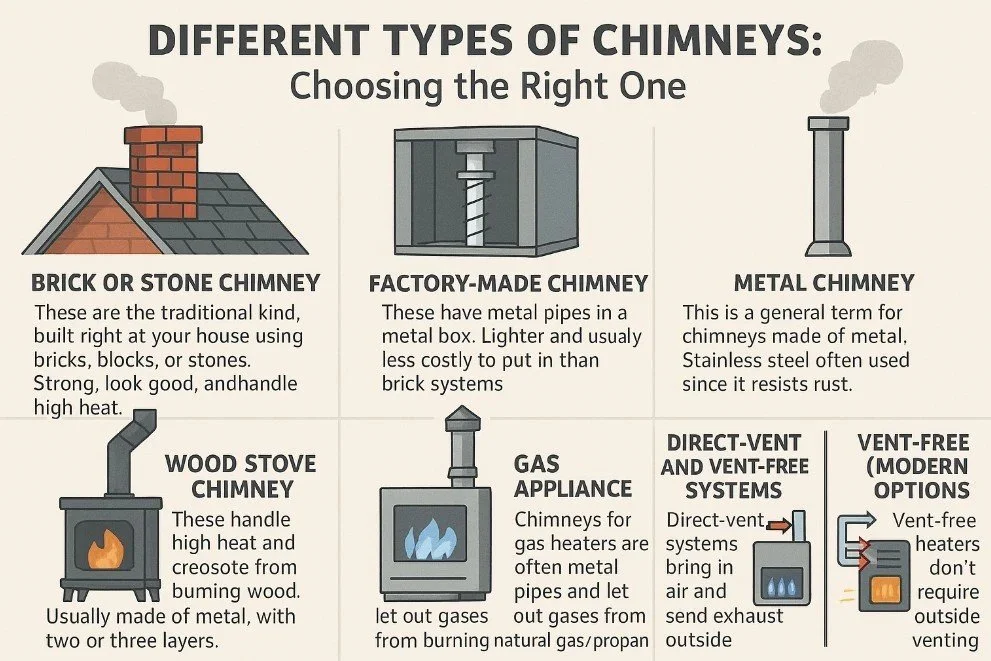
Not all chimneys are built the same
Some chimneys are purely there to vent a fireplace or appliance. Others are tied into the structure of the home and can actually support framing, floors, or roof loads.
Just because it looks like a standalone column doesn’t mean it’s not doing something important behind the walls.
Where the chimney is located matters
A chimney that runs up through the center of the home is more likely to be tied into framing than one that sits on an exterior wall.
Interior chimneys often pass through multiple levels and can be integrated into how the house was built, especially in older homes.
Exterior chimneys are more often independent, but even then, they can still be connected to structural elements.
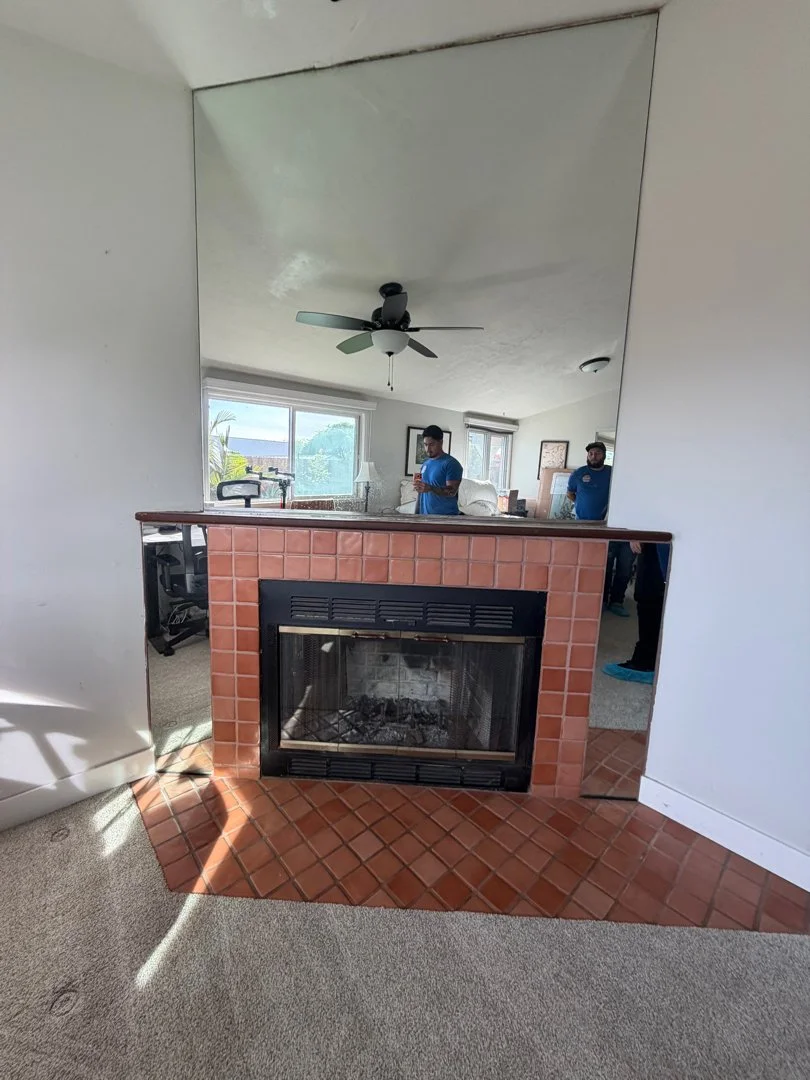
Look at what it connects to above and below
One of the biggest clues is what’s happening above and below the chimney.
Does it continue through multiple floors?
Does the roof framing tie into it?
Is there framing resting against it or supported by it?
If anything is bearing on the chimney, it’s not just a cosmetic removal.
Fireplaces and framing can be tied together
In some homes, the fireplace and chimney were built as part of the original structure. That means framing, joists, or supports may have been designed around it.
Removing it without accounting for that can lead to sagging, cracking, or structural issues.
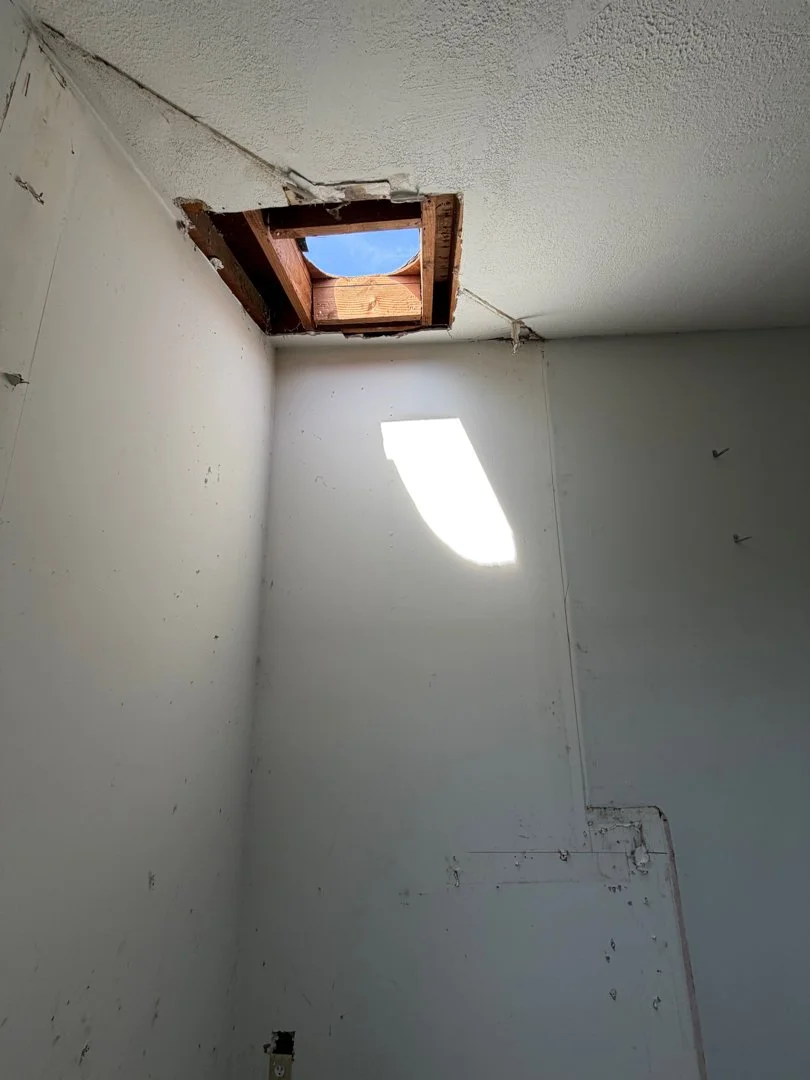
Sometimes only part of it can be removed
In many cases, homeowners don’t need to remove the entire chimney.
You might be able to remove the portion inside the home to gain space, while leaving the exterior or roof section in place. Or remove the top portion while leaving a supported base below.
The approach depends on how the chimney is built and what it’s connected to.
Why inspection matters before demo
Chimney removal isn’t something you want to guess on.
Even if it looks non-structural, there could be hidden connections behind drywall, in the attic, or below the floor that aren’t obvious at first glance.
The goal is to understand what it’s doing before you start taking it apart.
A space gain that needs the right approach
Removing a chimney can open up a room, simplify a layout, and give you more usable space — but only if it’s done correctly.
If you’re in San Diego and thinking about removing a chimney or fireplace, HUGE Home Pros can help assess whether it’s structural, what your options are, and how to approach it safely.