
When Do You Actually Need a Permit? (And Why It Gets Confusing)
Permits are one of the most confusing parts of home improvement.
If you ask the city, the answer often feels simple:
“You need a permit for that.”
But in real life, it’s not always that black and white.
At HUGE Home Pros, we get asked about permits all the time — especially for smaller projects like framing, drywall, electrical updates, or layout changes. The confusion usually comes from the gap between what’s technically required and what’s commonly enforced.

Why cities say you need a permit for almost everything
Cities tend to give the safest answer possible. If there’s any chance a project involves structural work, electrical, plumbing, or safety systems, they’ll usually say a permit is required.
From their perspective, it’s about liability and making sure work meets code.
Where things get less clear in real life
Not every project gets the same level of attention.
Smaller interior changes — like adding a closet or modifying non-structural walls — often fall into a gray area. Many homeowners move forward without permits and never run into issues.
That doesn’t mean permits aren’t required — just that enforcement isn’t always consistent.
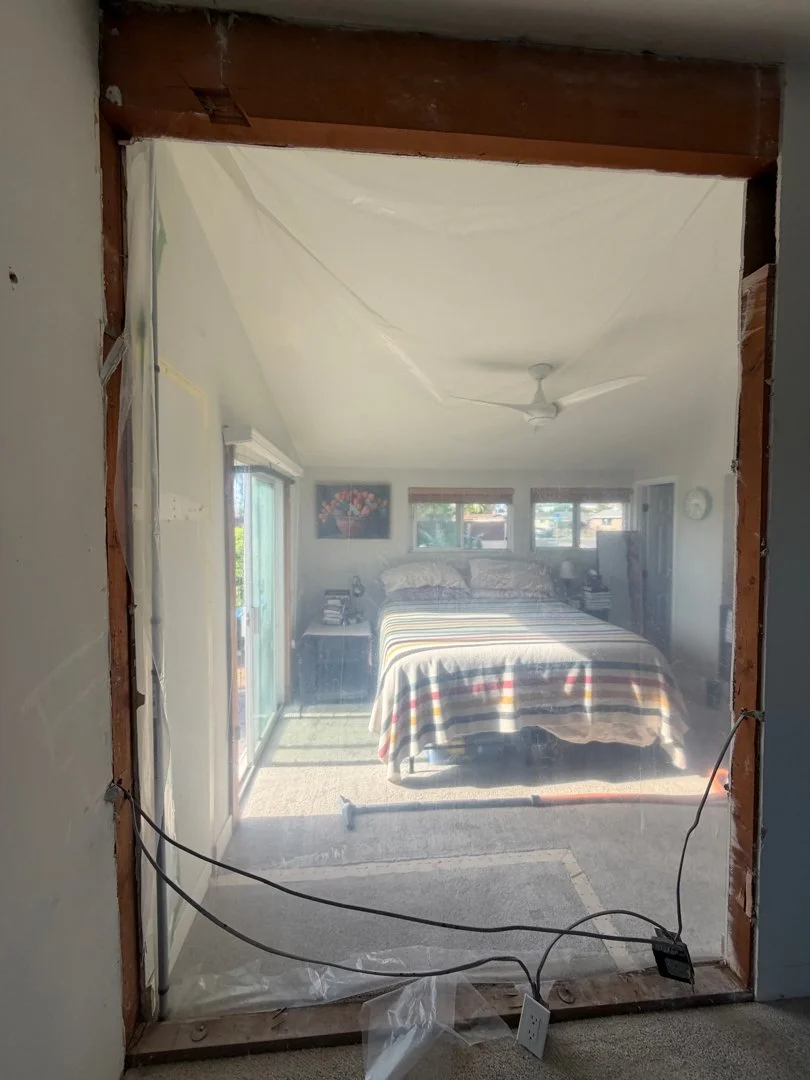
When permits matter more
Permits become more important with structural changes, major electrical or plumbing work, or anything tied to safety.
These are also the types of projects that are more likely to come up during inspections, appraisals, or when selling the home.
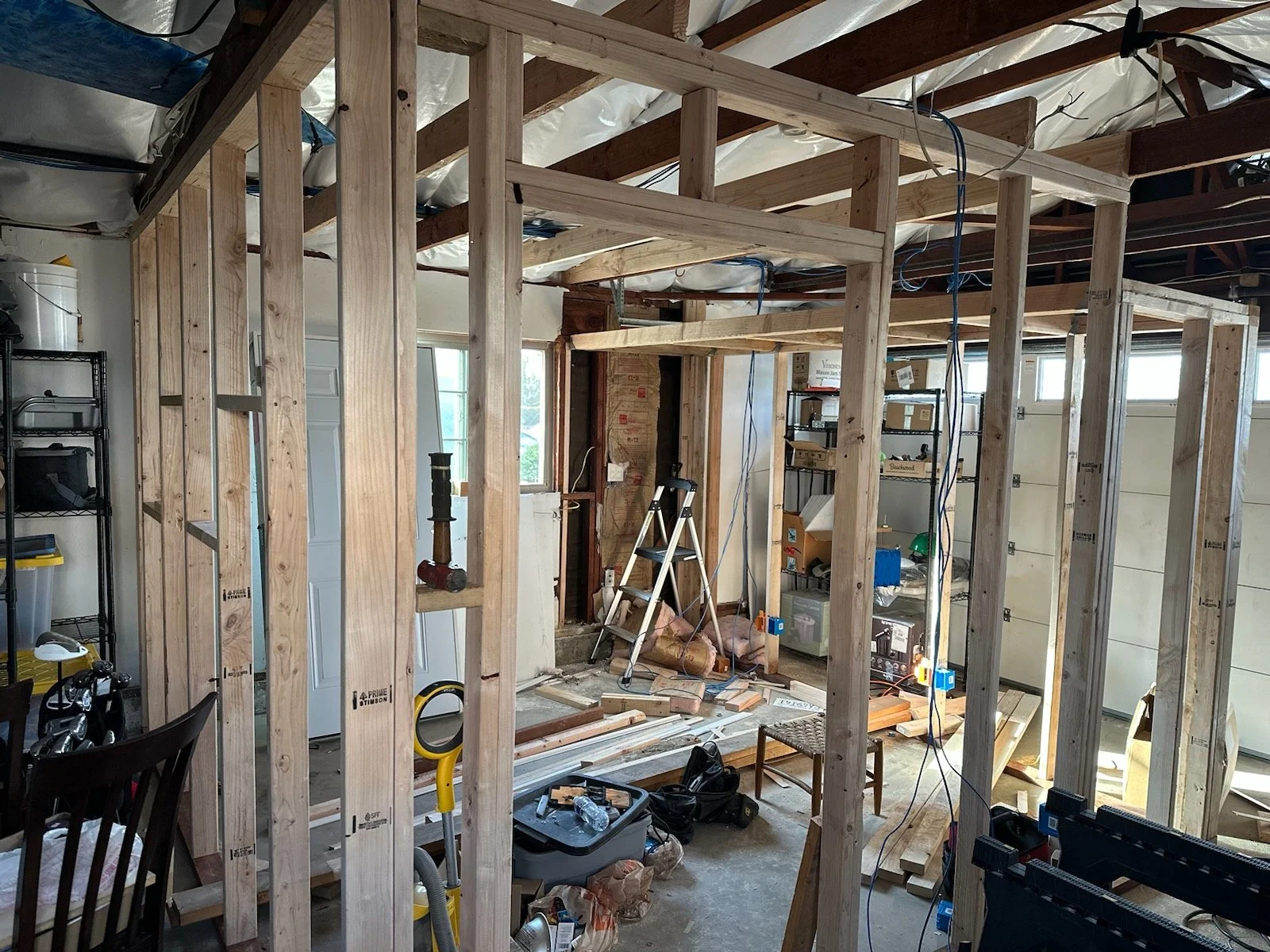
Why this matters long-term
The biggest risk usually isn’t during the job — it’s later.
Unpermitted work can come up during a sale, refinance, or insurance claim. Even if the work was done well, the lack of documentation can create problems.
How we approach it
At HUGE Home Pros, we focus on doing the work correctly and helping homeowners understand where permits may apply.
If you’re unsure about a project, it’s better to talk through it early and make an informed decision rather than guess.