
San Diego sun, moisture, and the life of exterior wood
Exterior wood can look solid for years, then suddenly start peeling, splitting, or softening around the edges. In San Diego, the problem is rarely just “old wood.” It is usually a combination of sun exposure, moisture, and details that were missed during preparation and sealing.
Looks dry doesn’t always mean protected
San Diego’s climate may feel dry, but exterior wood still deals with morning dew, coastal moisture, irrigation, rain, and temperature changes. Wood naturally expands as it absorbs moisture and contracts as it dries.
Over time, that movement can create small cracks in paint, stain, or sealant. Once water finds a way in, deterioration often starts beneath the surface, where it can remain unnoticed until the finish begins to bubble or the wood feels soft.
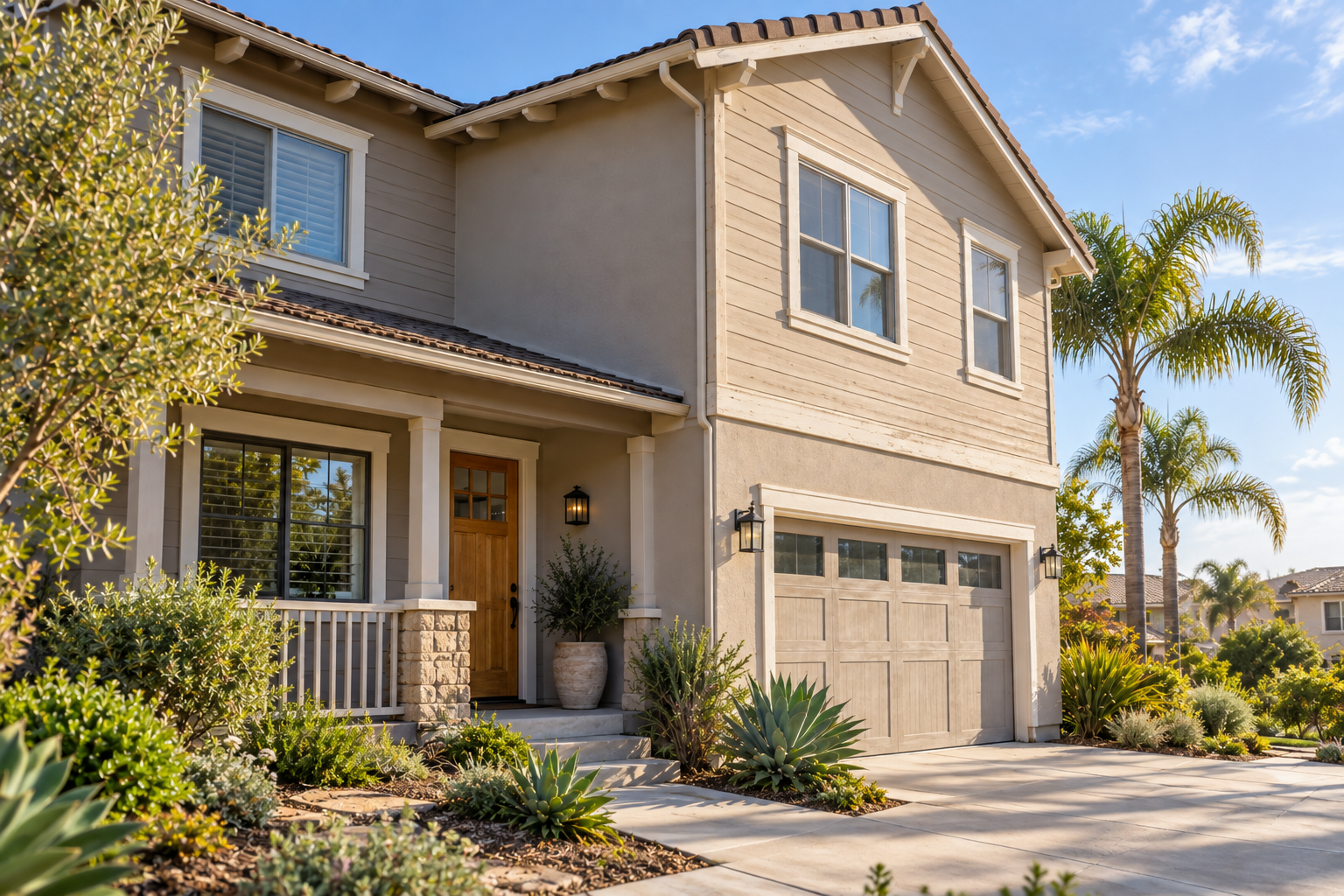
The sun does more damage than people expect
Strong UV exposure breaks down exterior coatings and dries out the wood underneath. South- and west-facing trim, fascia, doors, railings, and siding usually take the hardest hit.
A finish that performs well in a shaded area may fail much sooner on a surface exposed to direct afternoon sun. This is why one side of a home can look perfectly fine while another needs attention.
Where preparation starts to matter
Even a high-quality coating can fail when the surface underneath is not properly prepared. Painting over loose material, weathered fibers, trapped moisture, or early wood decay only covers the issue temporarily.
Good preparation often involves removing failed coatings, allowing damp wood to dry, sanding unstable surfaces, repairing damaged sections, and using the appropriate primer. The goal is not simply to make the wood look clean. It is to create a stable surface that the new finish can actually bond to.
The most commonly missed areas
The visible face of a board usually receives the most attention, but moisture often enters through less obvious places: cut ends, joints, fastener holes, lower edges, and gaps where two materials meet.
End grain is especially vulnerable because it can absorb water more readily than the face of the wood. If these areas are left exposed or poorly sealed, damage may begin even when the front surface still looks freshly painted.
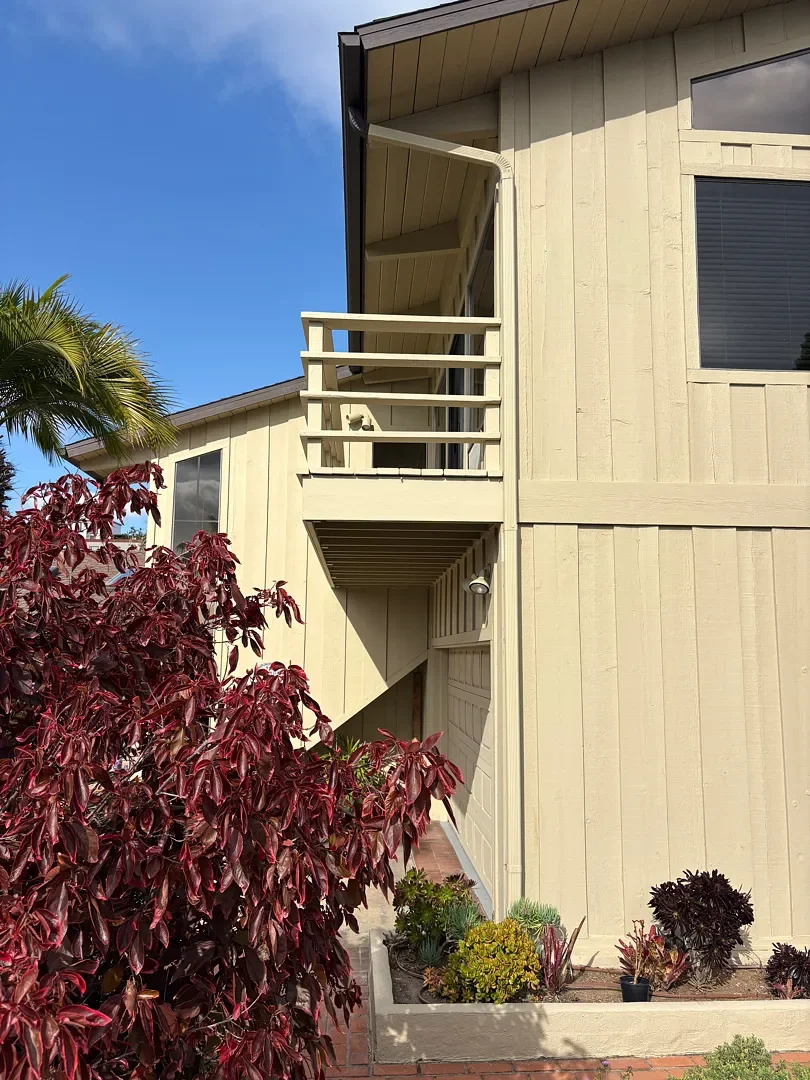
A lasting repair addresses the full system
Exterior wood lasts longer when the wood itself is sound, water has a way to drain, joints are properly detailed, and every vulnerable surface is protected with compatible products. Sometimes that means replacing a damaged section. Other times, careful preparation and resealing are enough.
At Huge Home Pros, we look beyond peeling paint to understand why the finish failed in the first place. If you have exterior wood that keeps cracking, swelling, or deteriorating, we’re happy to help you evaluate the cause and find a practical solution.