

Baseboards are easy to overlook, but they have a surprisingly big effect on how finished a room feels. When they’re clean, straight and properly fitted, they quietly tie the walls and flooring together. When they’re damaged, separating or poorly installed, even an otherwise beautiful room can look unfinished.
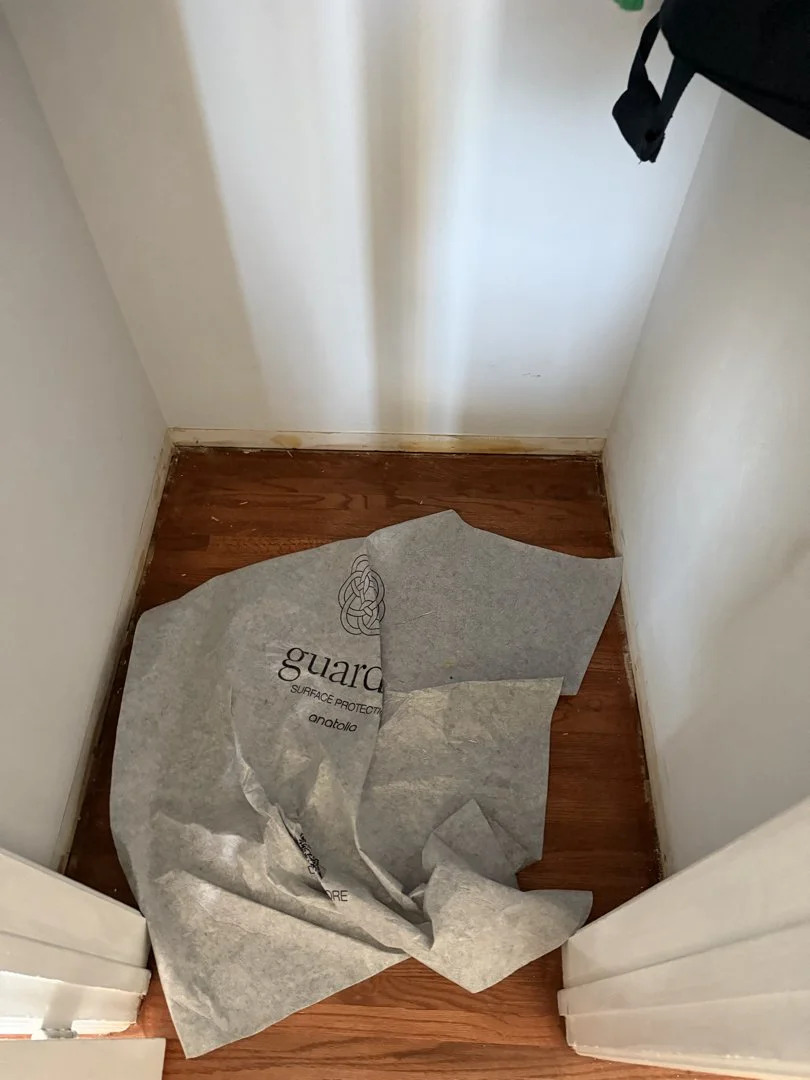
More Than Decorative Trim
Baseboards cover the joint where the wall meets the floor. That transition is rarely perfect, especially after new flooring, drywall repairs or remodeling work.
They also protect the bottom of the wall from vacuum cleaners, furniture, shoes, moisture and everyday bumps. Over time, that wear can leave baseboards chipped, cracked, swollen or loose.
Looks Fine… Until You Look Closer
Some baseboard problems are immediately noticeable. Others show up as small details that make the whole installation feel slightly off.
Common signs include gaps at corners, visible nail holes, uneven joints, peeling paint, cracked caulk and trim that doesn’t sit tight against the wall. Baseboards can also pull away when the original nails missed the framing or the wall is uneven.
Repair or Replace? It Depends on the Material
The first question we ask isn’t how bad the damage is. It’s what the baseboard is made of.
MDF: Many newer homes have MDF (medium- density fiberboard) baseboards. MDF is inexpensive and looks great when it’s painted, but once it’s chipped, swollen or water-damaged, it’s very hard to repair well. Fillers don’t bond well to damaged MDF, and the swollen fibers won’t sand back down to a smooth surface. With MDF, replacing the damaged section is almost always the better and longer-lasting option.
Solid wood: Wood baseboards are a different story. Older or custom profiles can be hard to find, and a new piece may not match the trim around it. In that case, repairing the damaged area usually makes more sense. A quality wood filler or two-part filler can rebuild dents, gouges and broken edges, and after sanding, priming and painting, the repair blends right in.
Either way, loose sections can usually be refastened, and small gaps can be re-caulked. Full replacement makes more sense when the trim is broken in several places, mismatched from earlier repairs, or no longer fits right after a flooring change. It can also be worth replacing the trim throughout a room when you want a cleaner, more consistent look.
The Right Baseboard for the Room
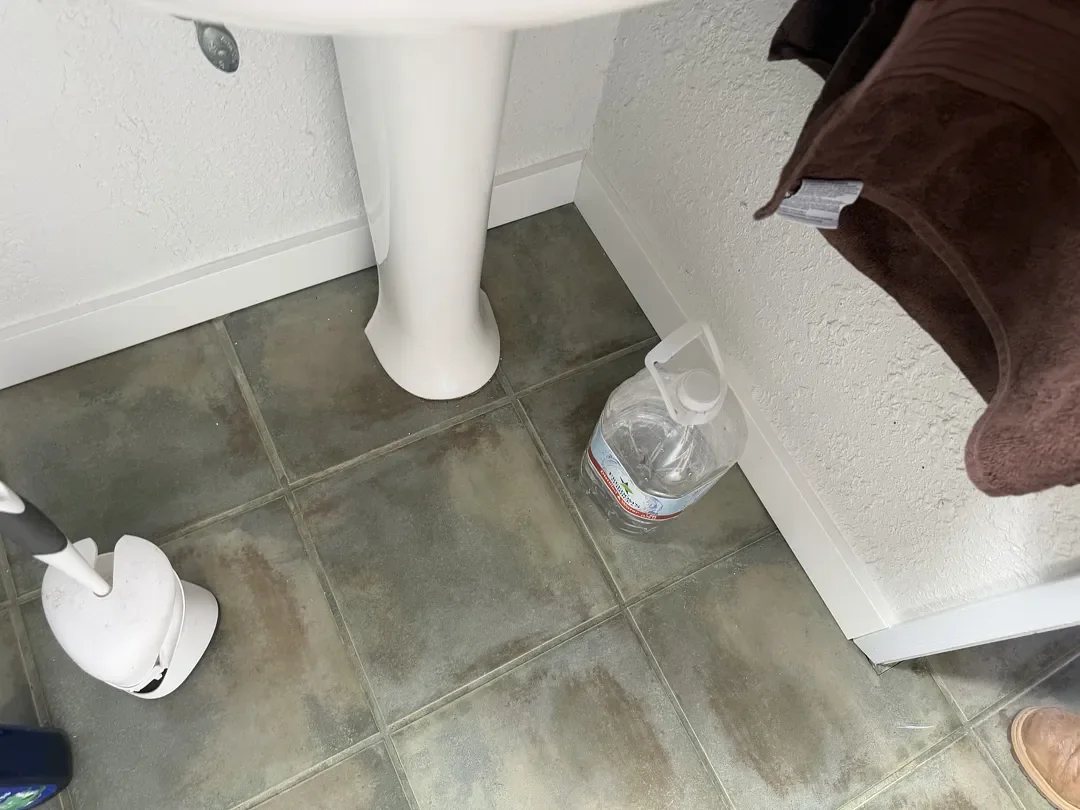
Not every baseboard belongs in every room. MDF works well in dry spaces like bedrooms, hallways and living areas. But in bathrooms, laundry rooms and other areas that see water, MDF is the wrong choice. It soaks up moisture and swells, and once it does, it has to be replaced.
In wet areas, we install PVC or wood baseboards. PVC won’t absorb water at all, and properly sealed and painted wood holds up far better than MDF. A good installer should make this call before the first piece goes up, not after the damage shows.
Where Installation Starts to Go Wrong
Good baseboard work is mostly about precision. Corners need accurate cuts, joints should be placed thoughtfully, and the trim needs to follow walls that aren’t always perfectly straight.
Caulk and filler can clean up small imperfections, but they shouldn’t be used to hide careless cuts or large gaps. Proper fastening, smooth transitions and tidy finishing are what make the result look intentional.
Flooring matters too. Tile, hardwood, laminate and carpet each create a different transition at the wall. Installing the baseboards at the right height helps avoid awkward gaps or trim that looks buried.
Finish It to Last
Baseboards take more abuse than almost any other painted surface in the house, so the paint matters. We recommend a durable trim enamel in a semi-gloss or satin finish. It stands up to scuffs and wipes clean easily.
A few details make a big difference:
Prime any bare wood, patched areas and cut MDF edges before painting.
Use a paint that’s rated for PVC when painting PVC trim.
Caulk the top edge where the baseboard meets the wall for a clean, finished line.
Watch for Moisture Damage
Swollen, soft or discolored baseboards can point to more than cosmetic wear. In bathrooms, kitchens and near exterior doors or windows, damaged trim may be an early sign of a leak or repeated moisture exposure.
Replacing the baseboard without fixing the source lets the same damage come back. Before covering anything up, it’s worth checking the wall and surrounding area for an underlying problem.
Whether you need one damaged section repaired or new baseboards installed throughout a remodeled space, Huge Home Pros can help you get a clean, durable finish. If something looks uneven, loose or water-damaged, reach out and we’ll help you figure out the practical next step.