

News & Blog
News & Blog
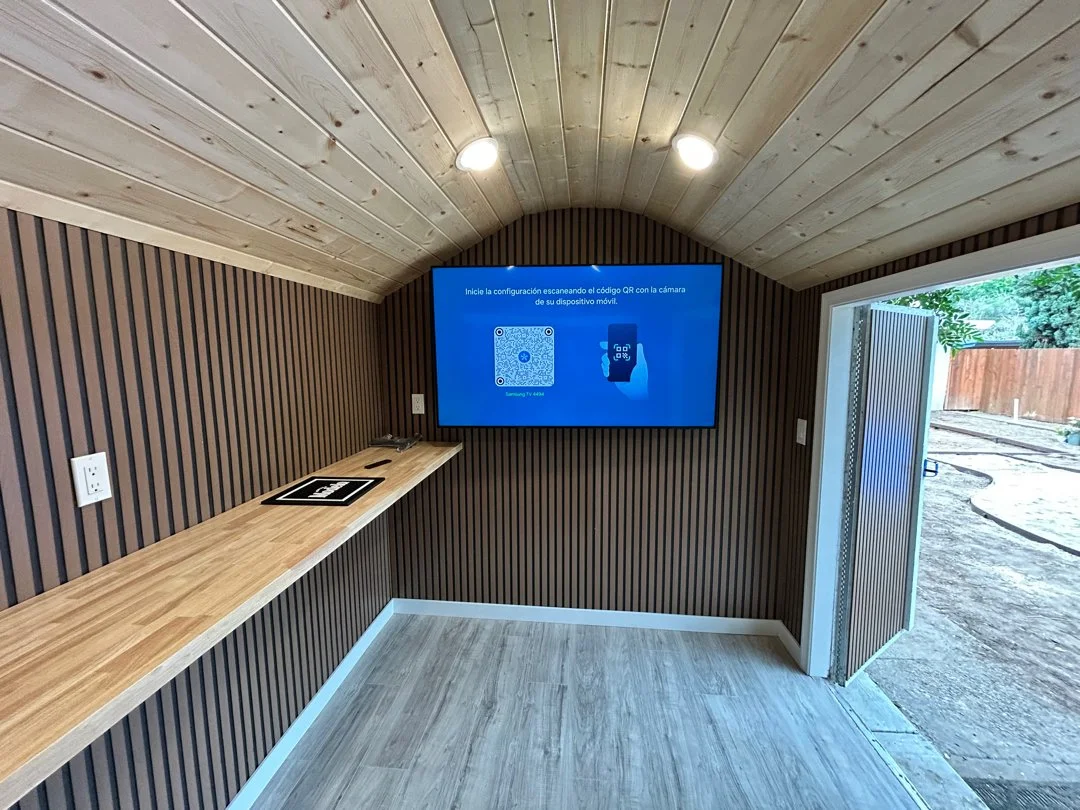

A secure TV installation starts before the first hole is drilled. Here’s what to know about studs, wiring, plumbing, and choosing the right hardware.
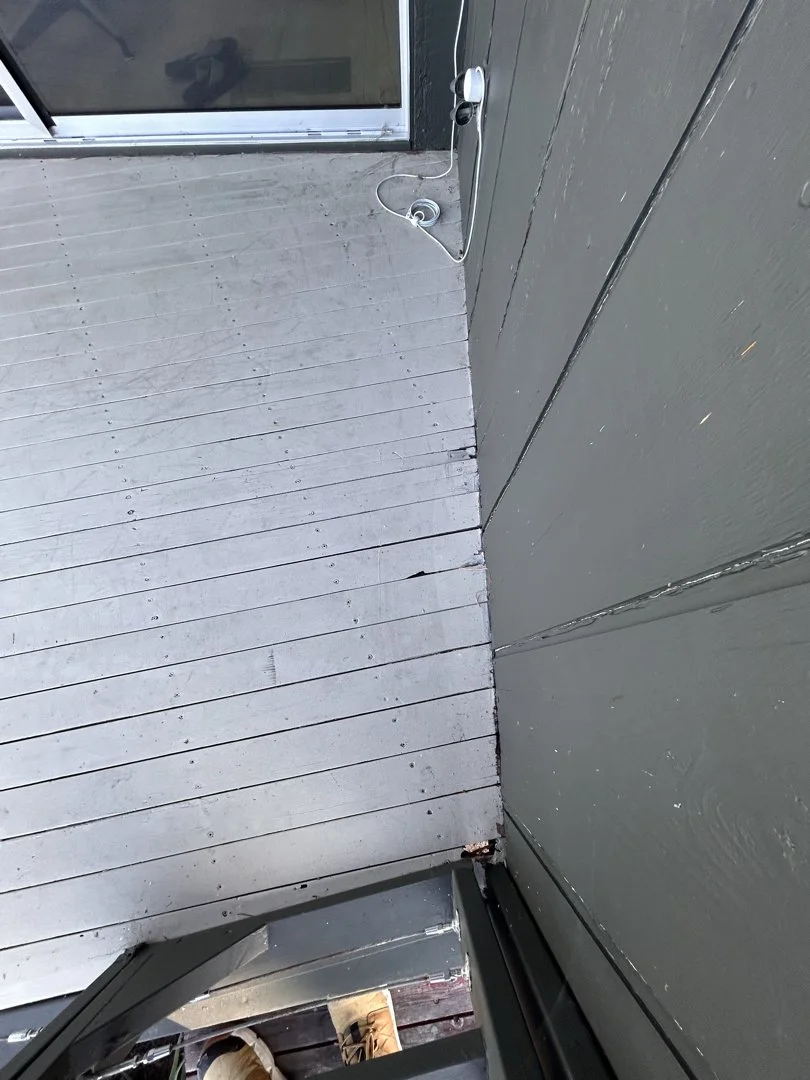
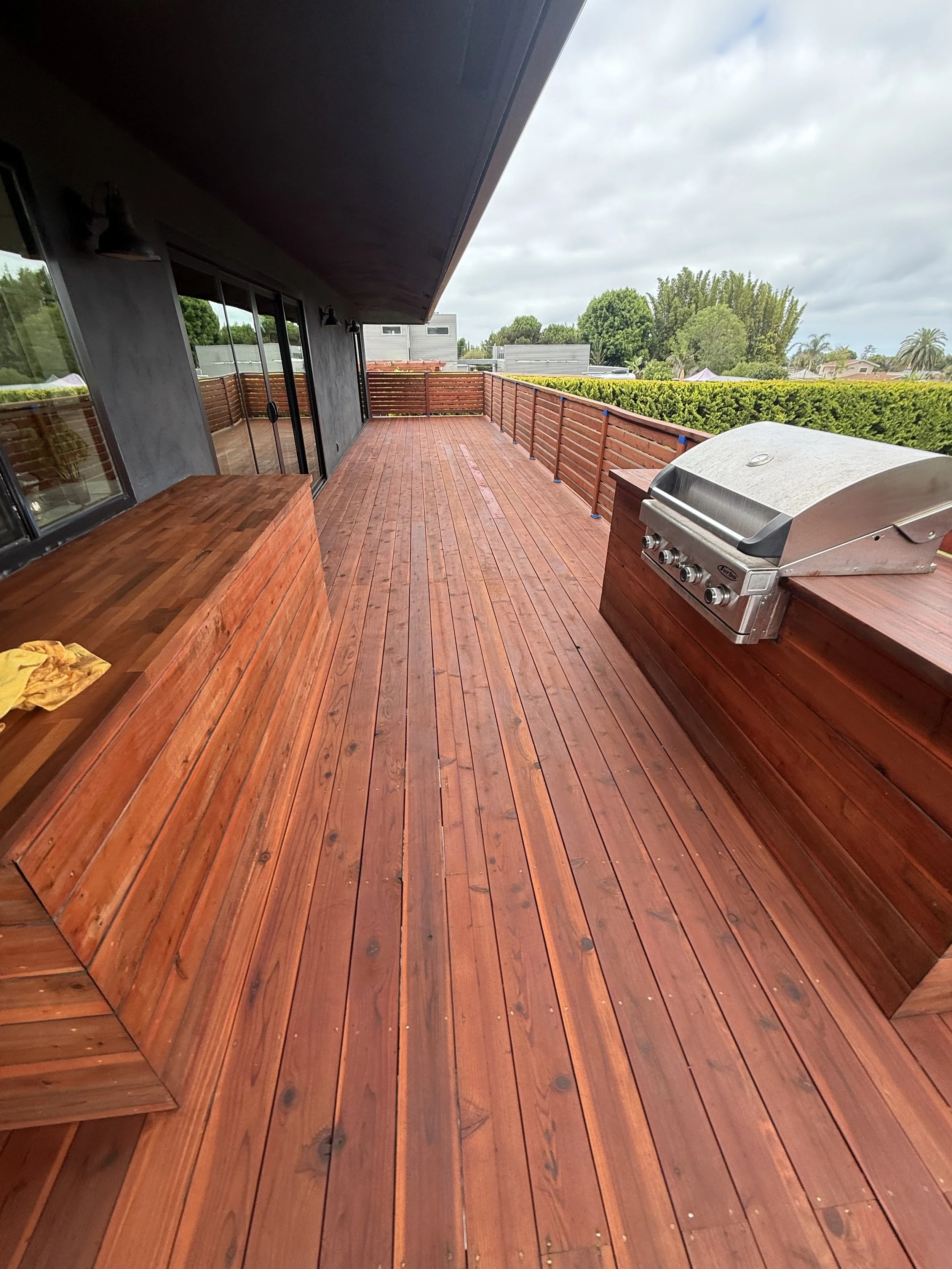
Some deck movement is normal, but new bouncing, loose boards, or unstable railings can point to problems below the surface. Here’s what homeowners should watch for.
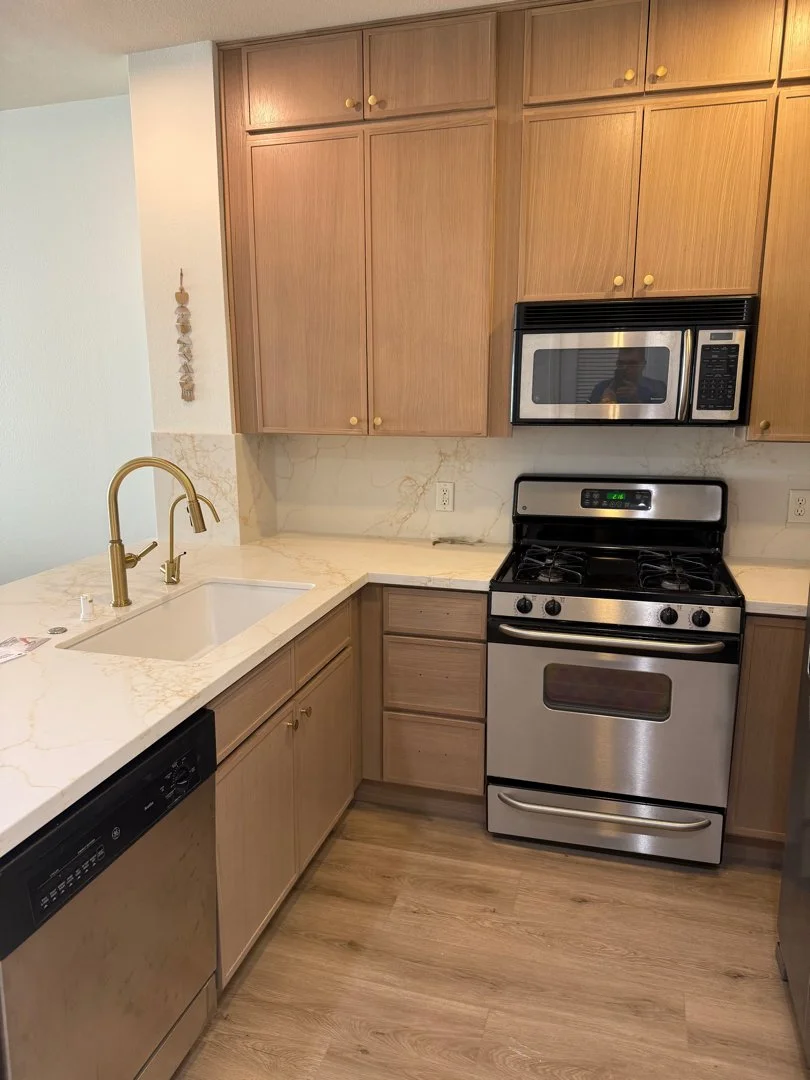
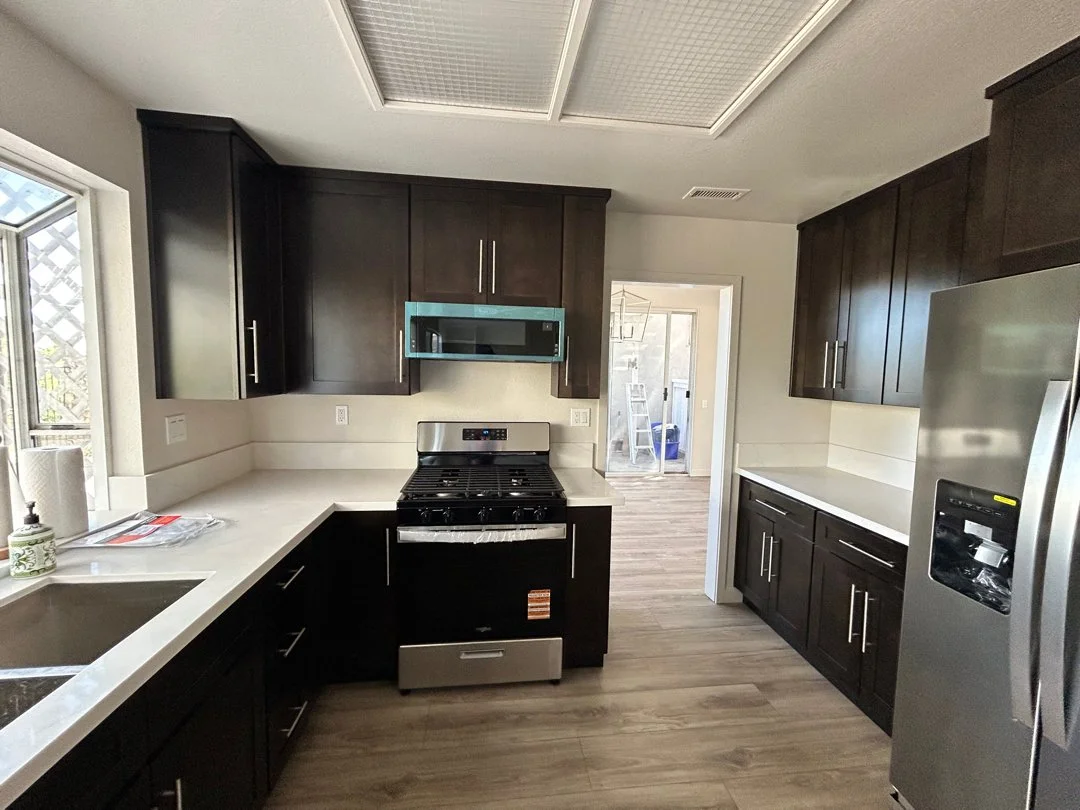
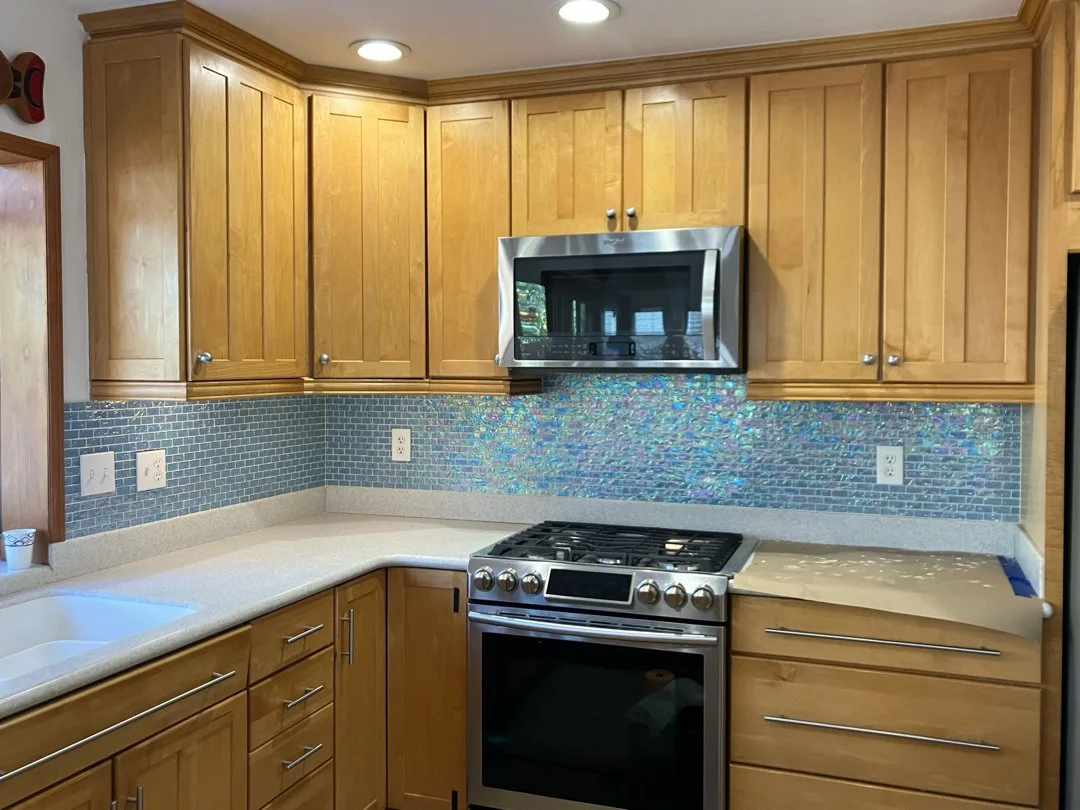
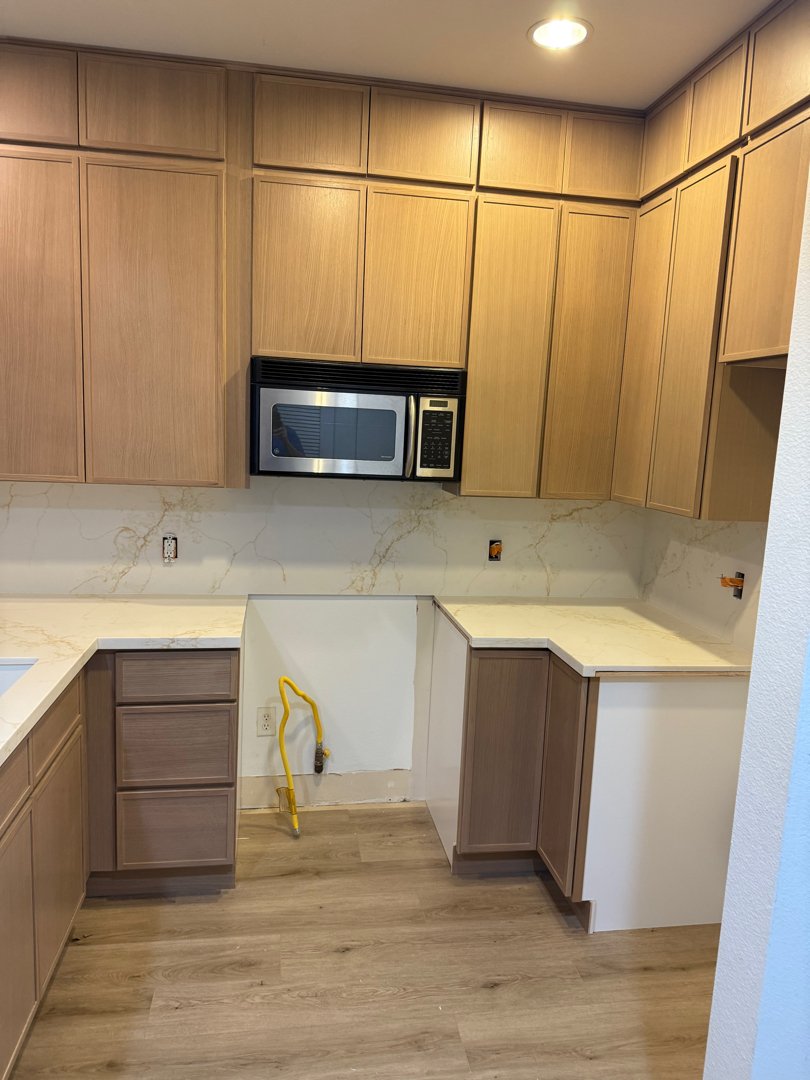
A full remodel isn’t always necessary. A few thoughtful upgrades can improve your kitchen’s lighting, storage, cleanup, and everyday workflow.
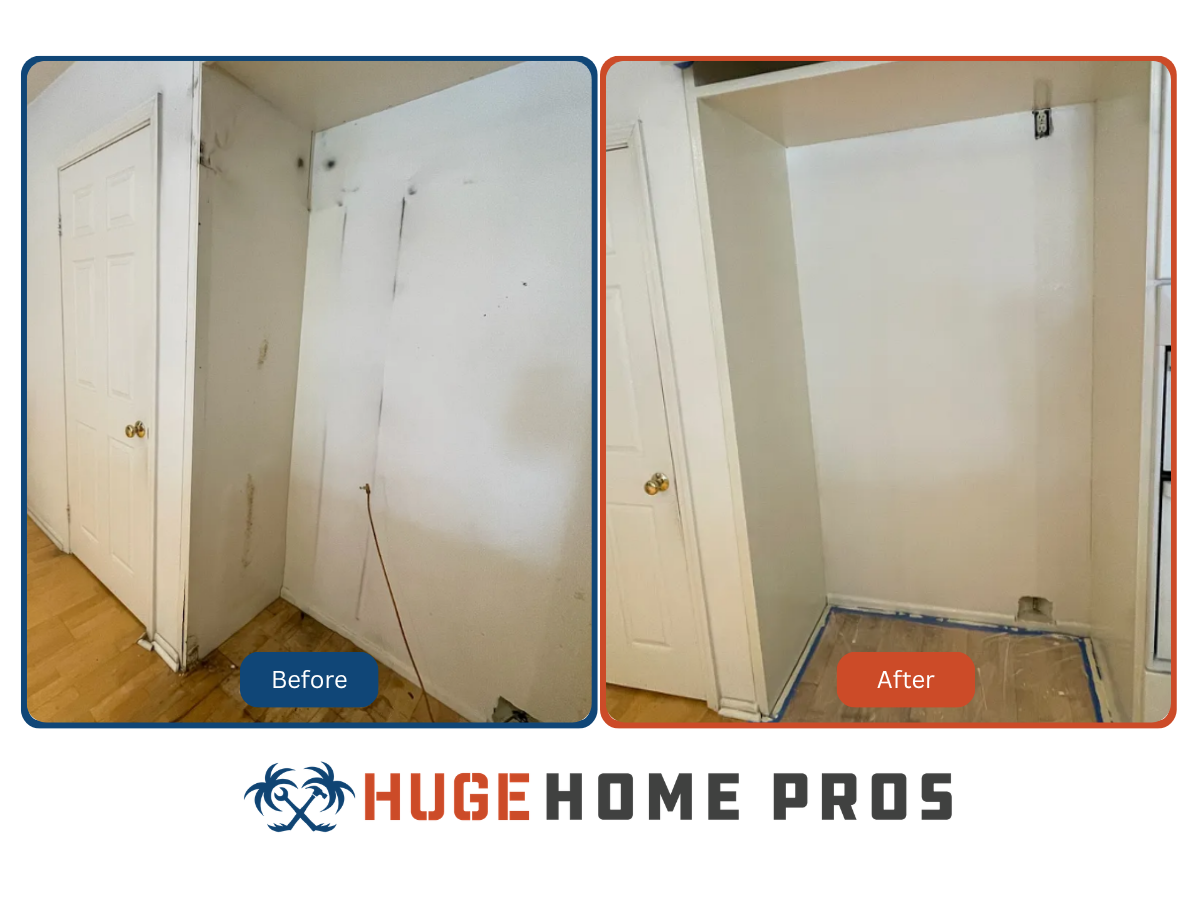
Water doesn’t always appear near the source of a leak. Learn the hidden areas moisture can reach and the warning signs worth investigating.
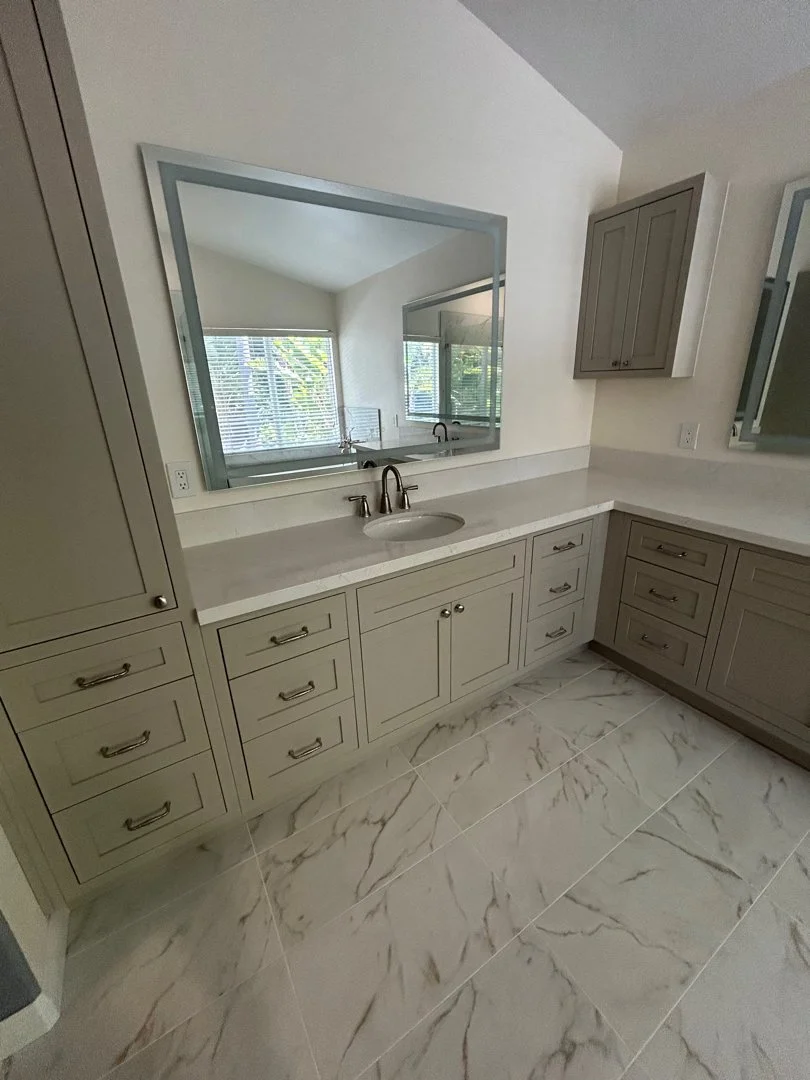
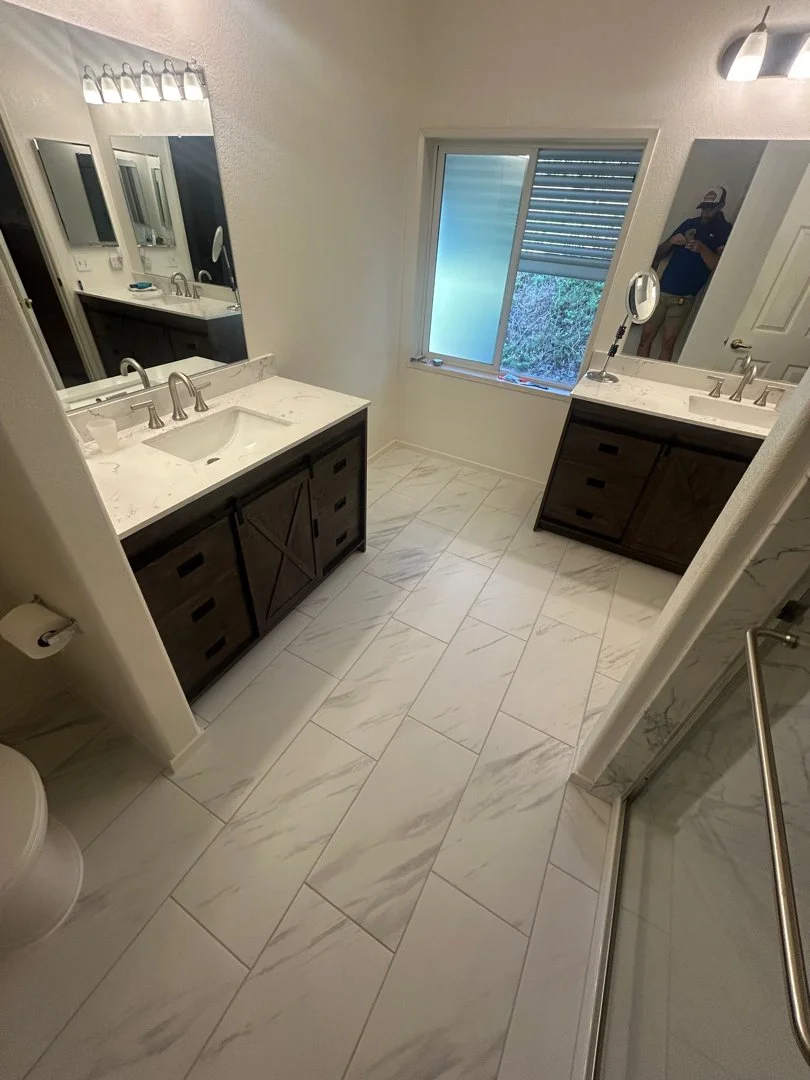
Good bathroom storage starts long before the cabinets are installed. Here is how thoughtful planning can make your new bathroom easier to use every day.
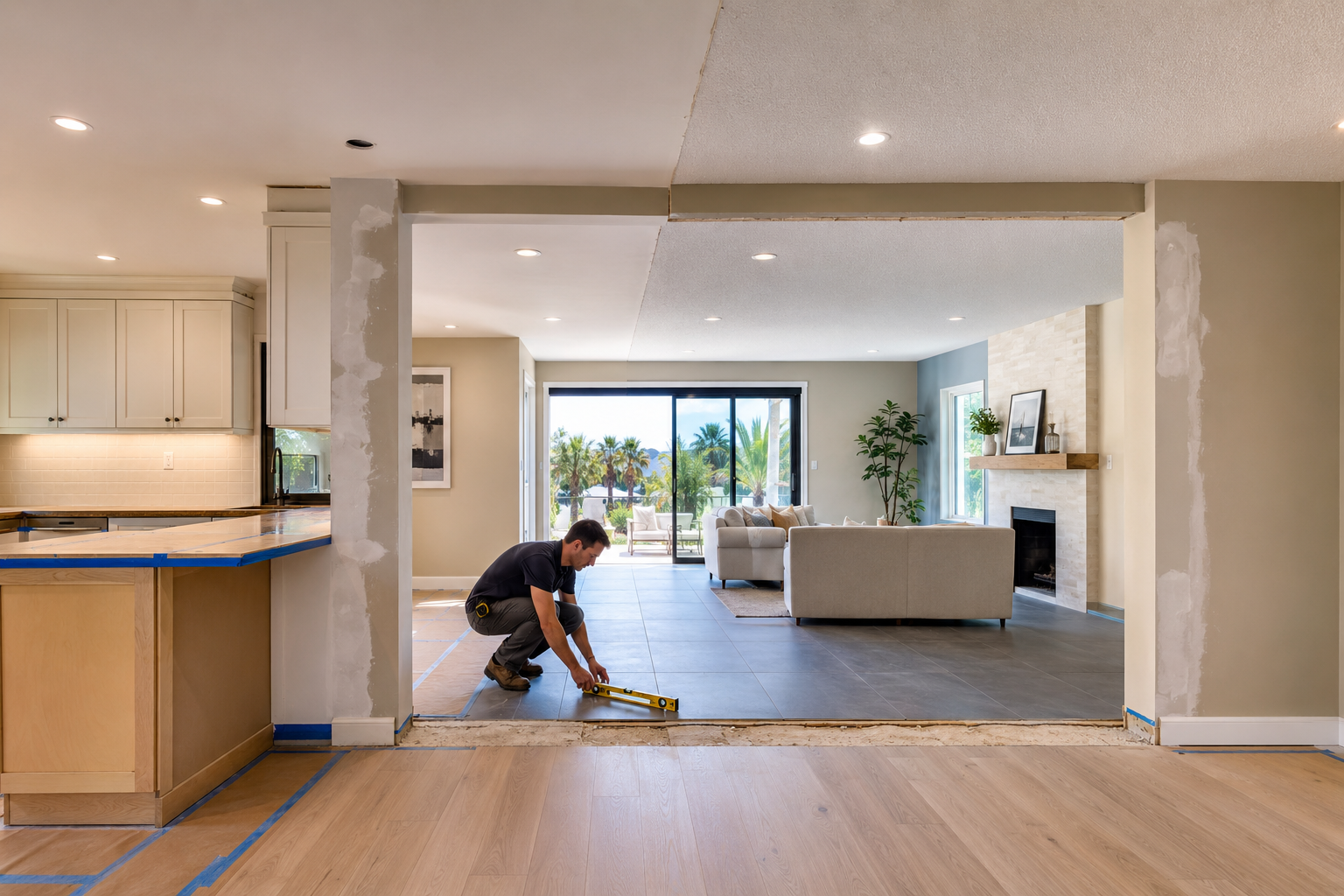
Removing a wall can affect structure, utilities, flooring, lighting, and how the entire room functions. Here’s what homeowners should consider before demolition begins.
A hollow sound does not always mean tile failure, but location, movement, and cracking can change the picture. Here’s how to tell when it deserves a closer look.
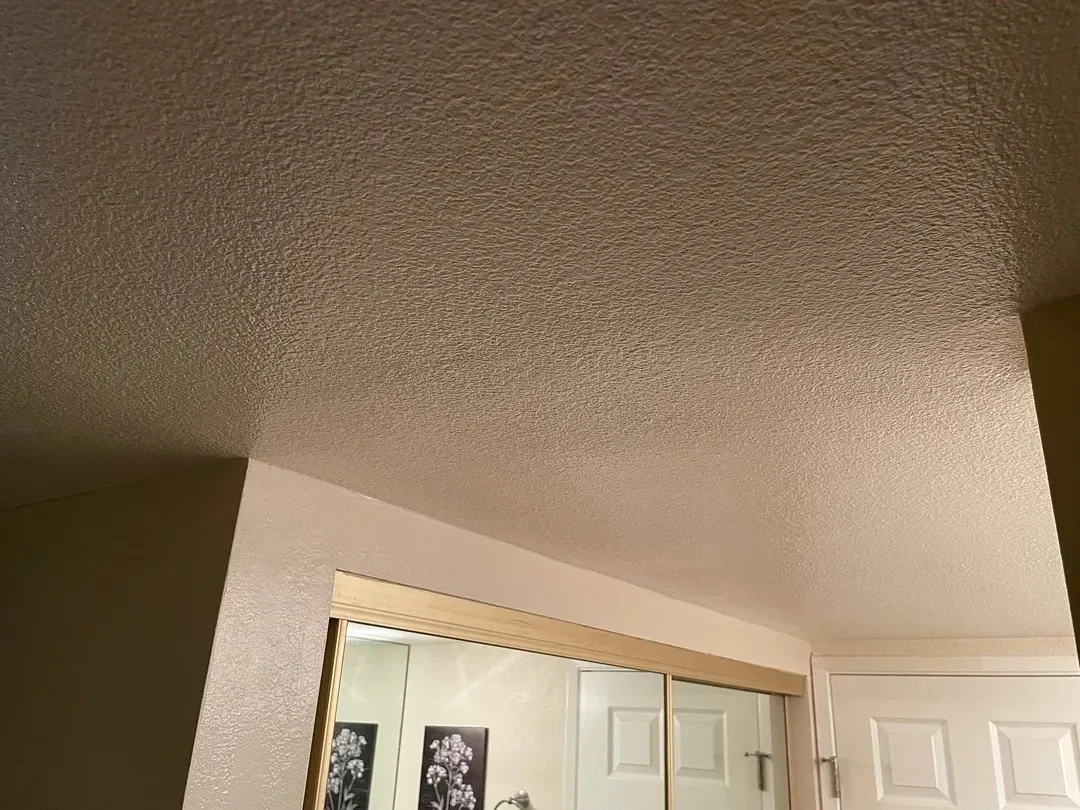
A ceiling stain may look cosmetic, but it can point to a hidden roof, plumbing, or condensation issue. Knowing what clues to watch for can help you address the cause before repairing the surface.
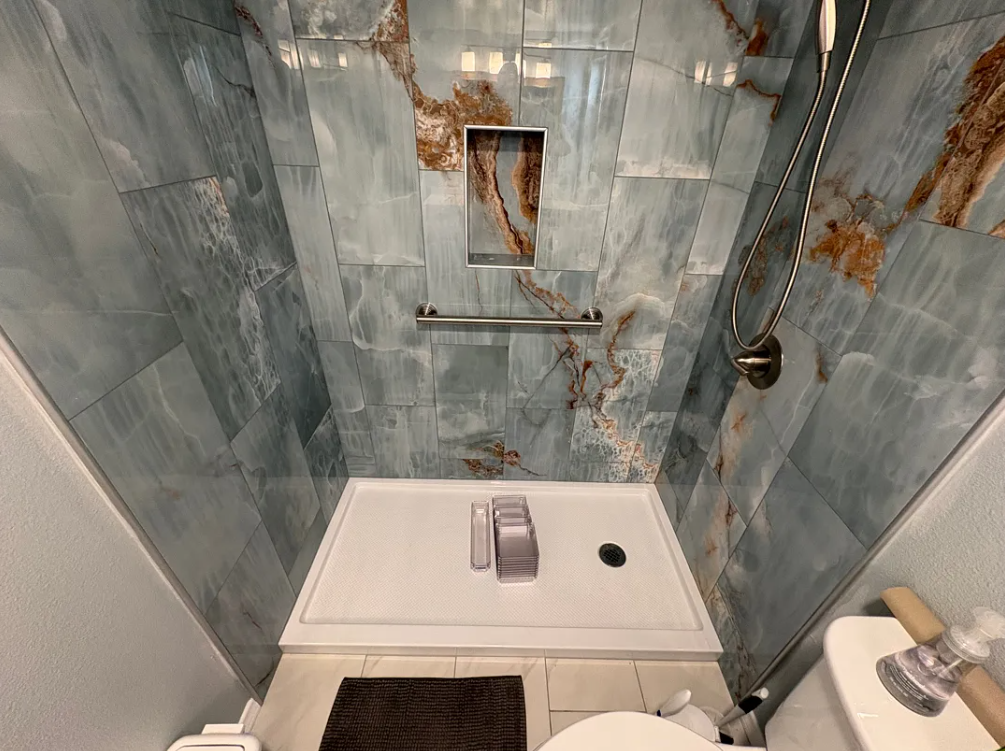
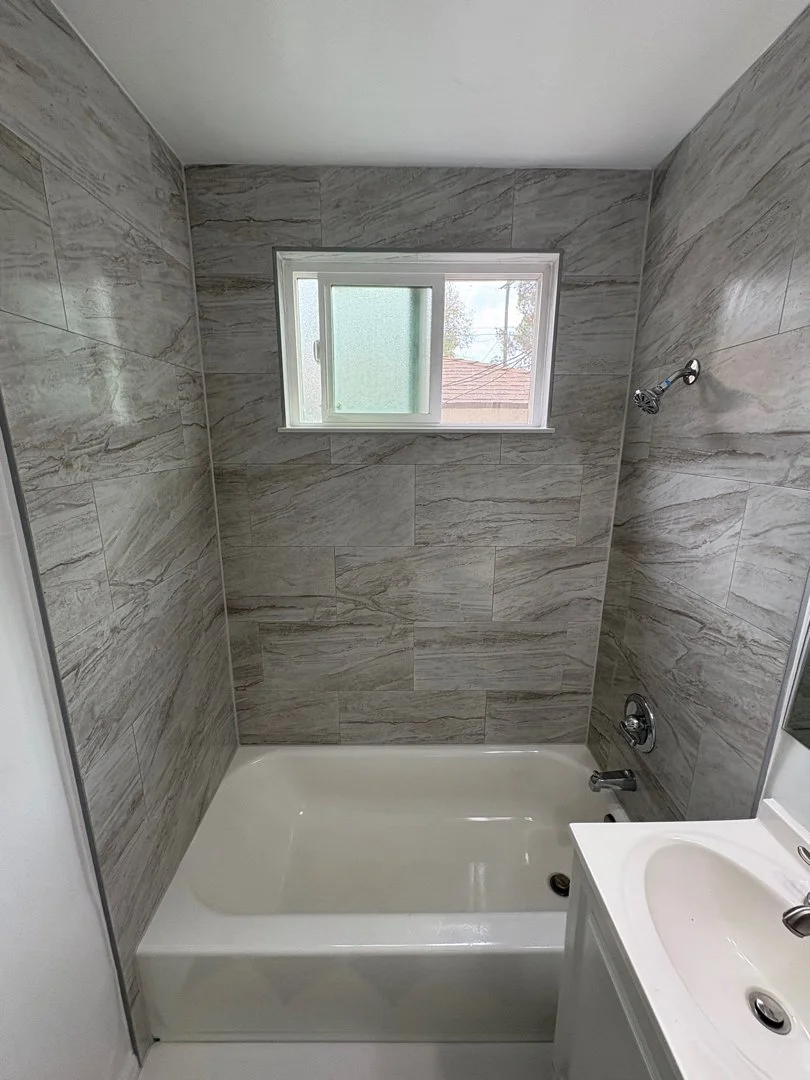
Tile and grout may look watertight, but the real protection is underneath. Here’s what homeowners should know before small warning signs become bigger repairs.
A beautiful kitchen still needs to work well. See how thoughtful cabinet placement, clearances, and storage choices can make everyday life easier in your San Diego kitchen.
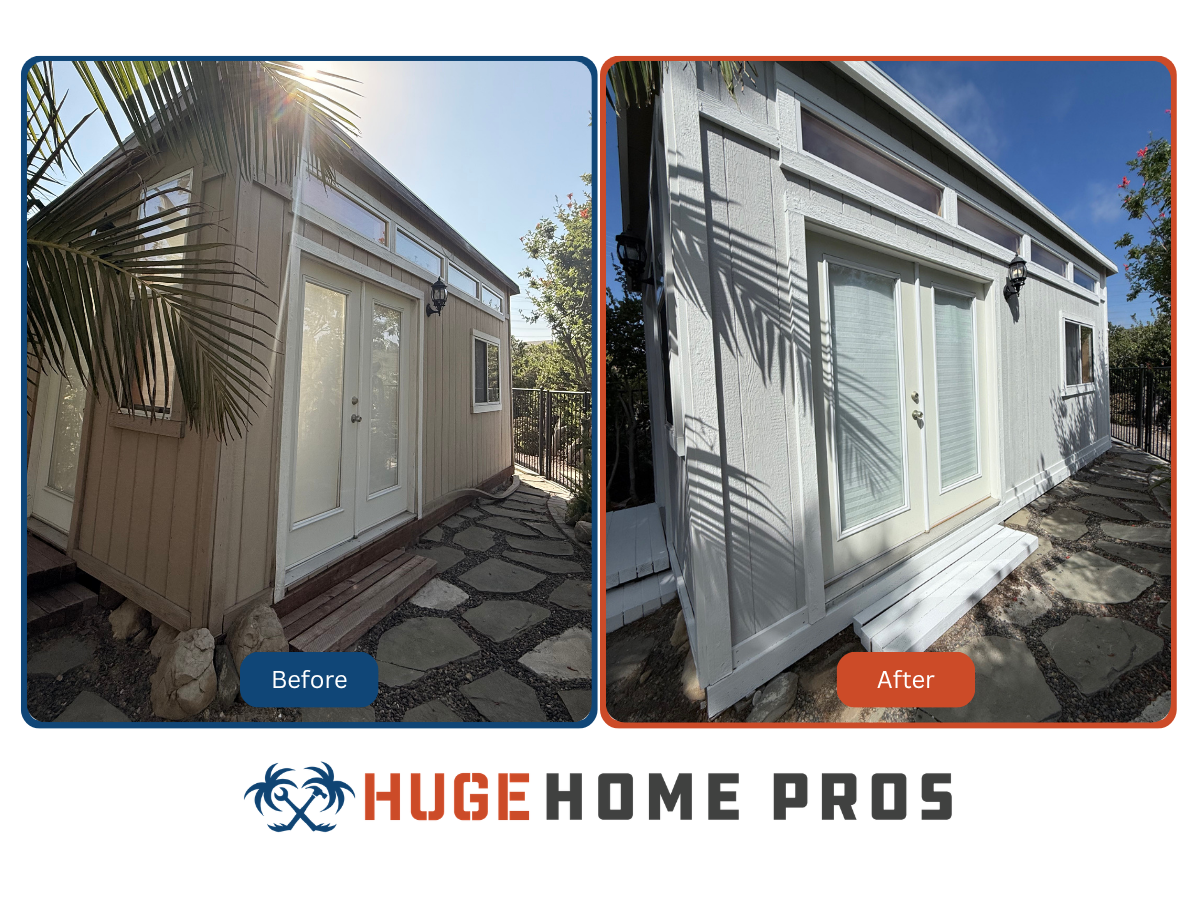
A lasting exterior paint job starts with proper preparation. Learn what San Diego homeowners should check before repainting, from fading and cracks to hidden moisture and surface damage.
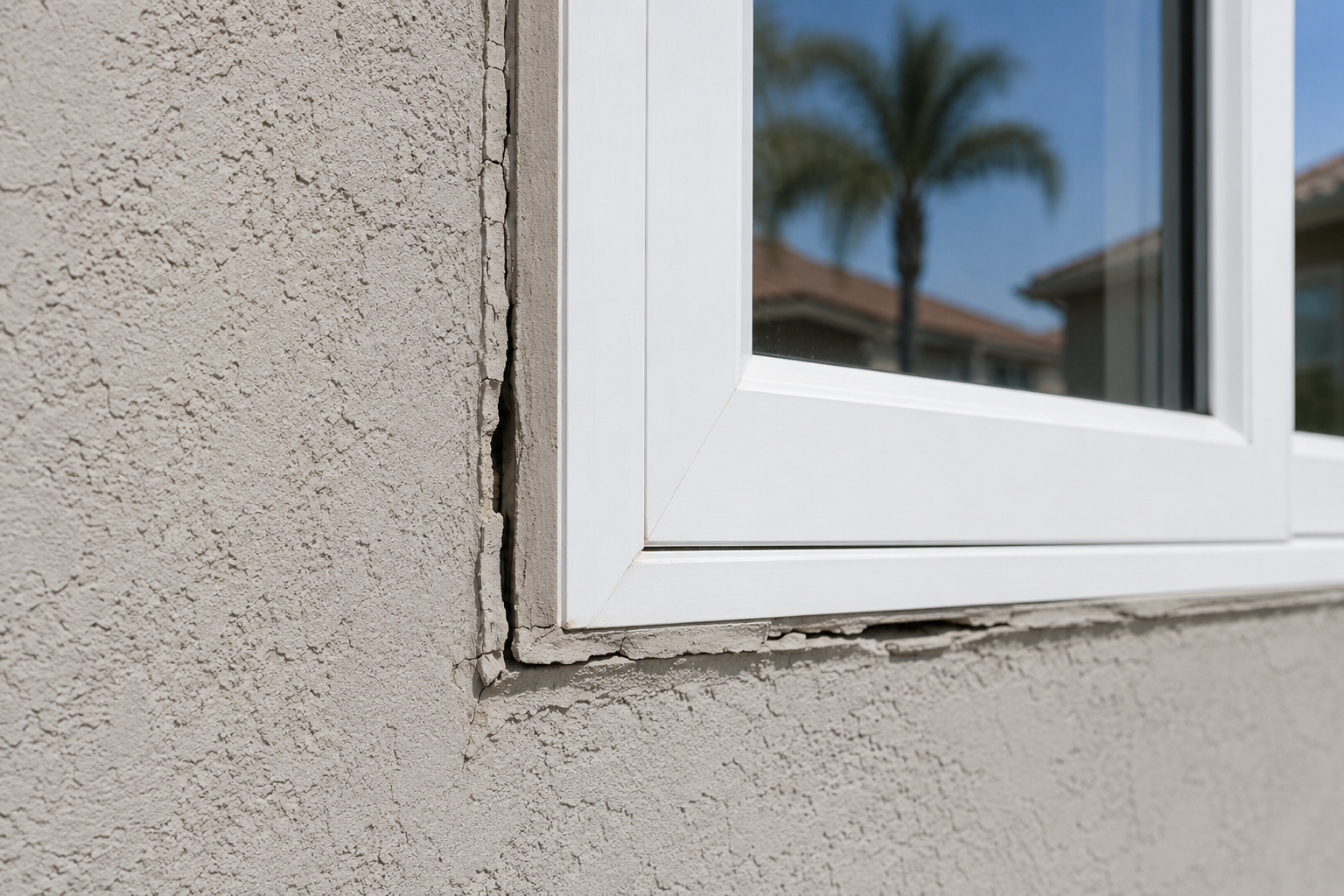
Five small home repairs can make a big difference. Catching leaks, cracked grout, failing caulk, and exterior gaps early can help San Diego homeowners avoid more expensive damage later.
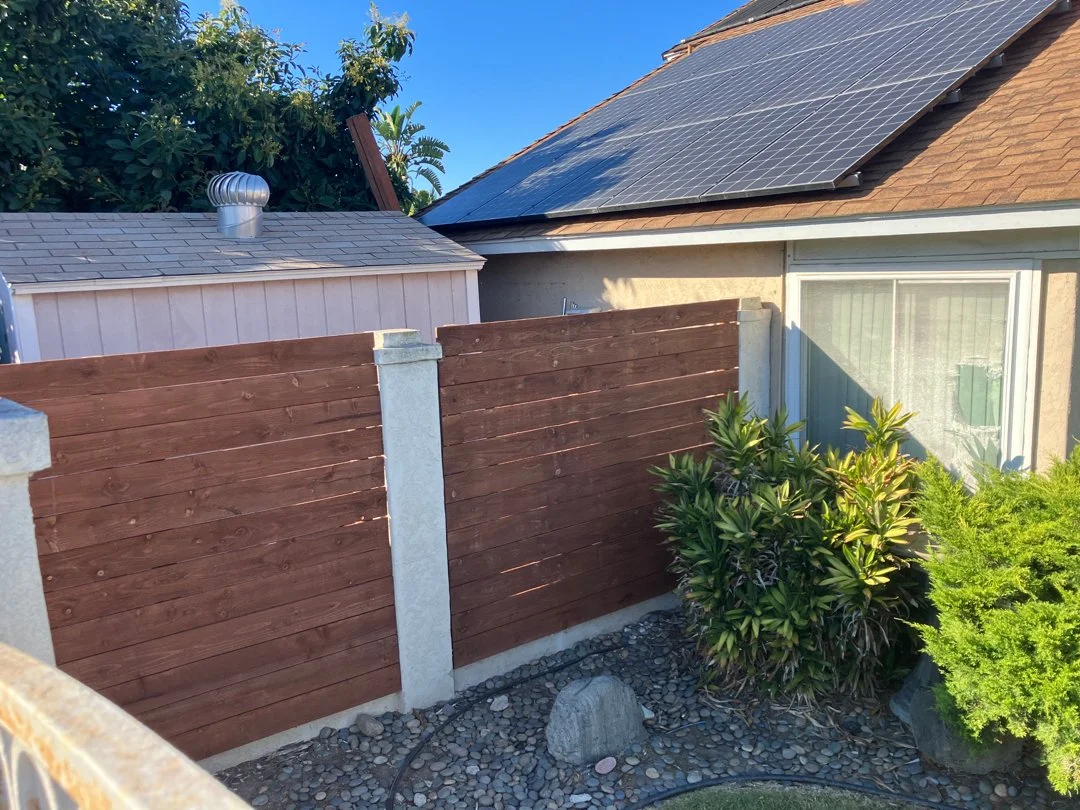
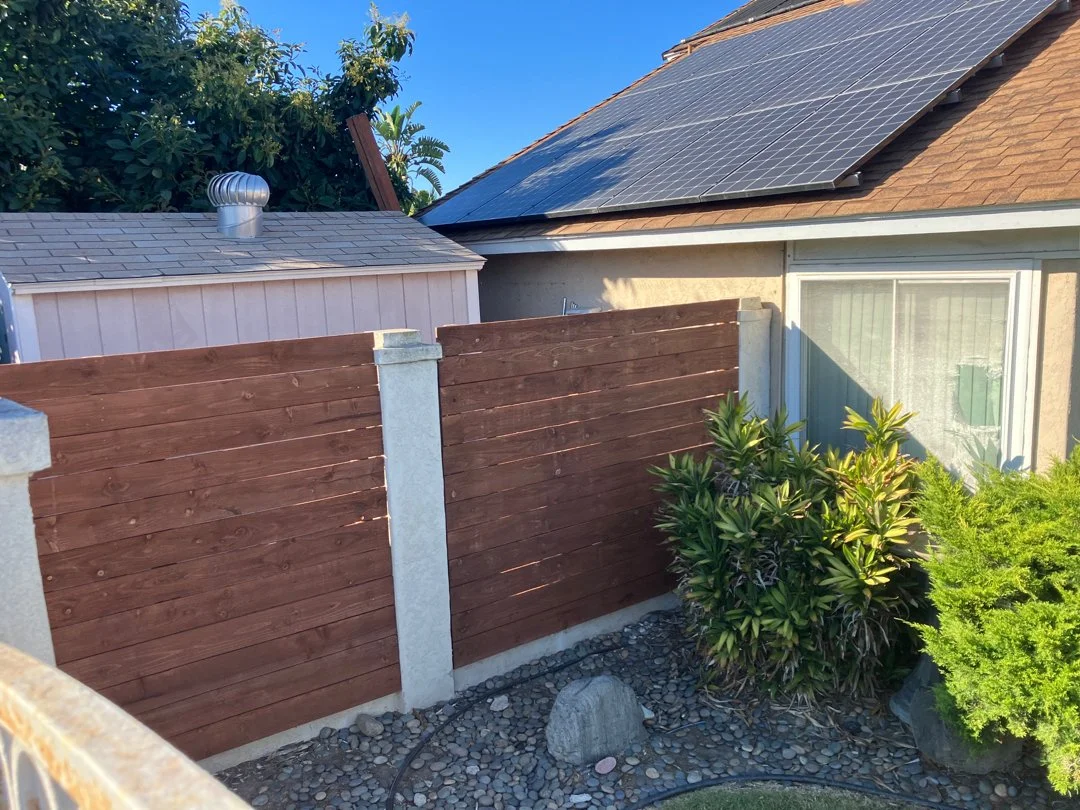
A dragging gate or leaning fence is usually a sign of something deeper than one loose hinge. Here’s what San Diego homeowners should know about posts, hardware, and repairs that actually last.
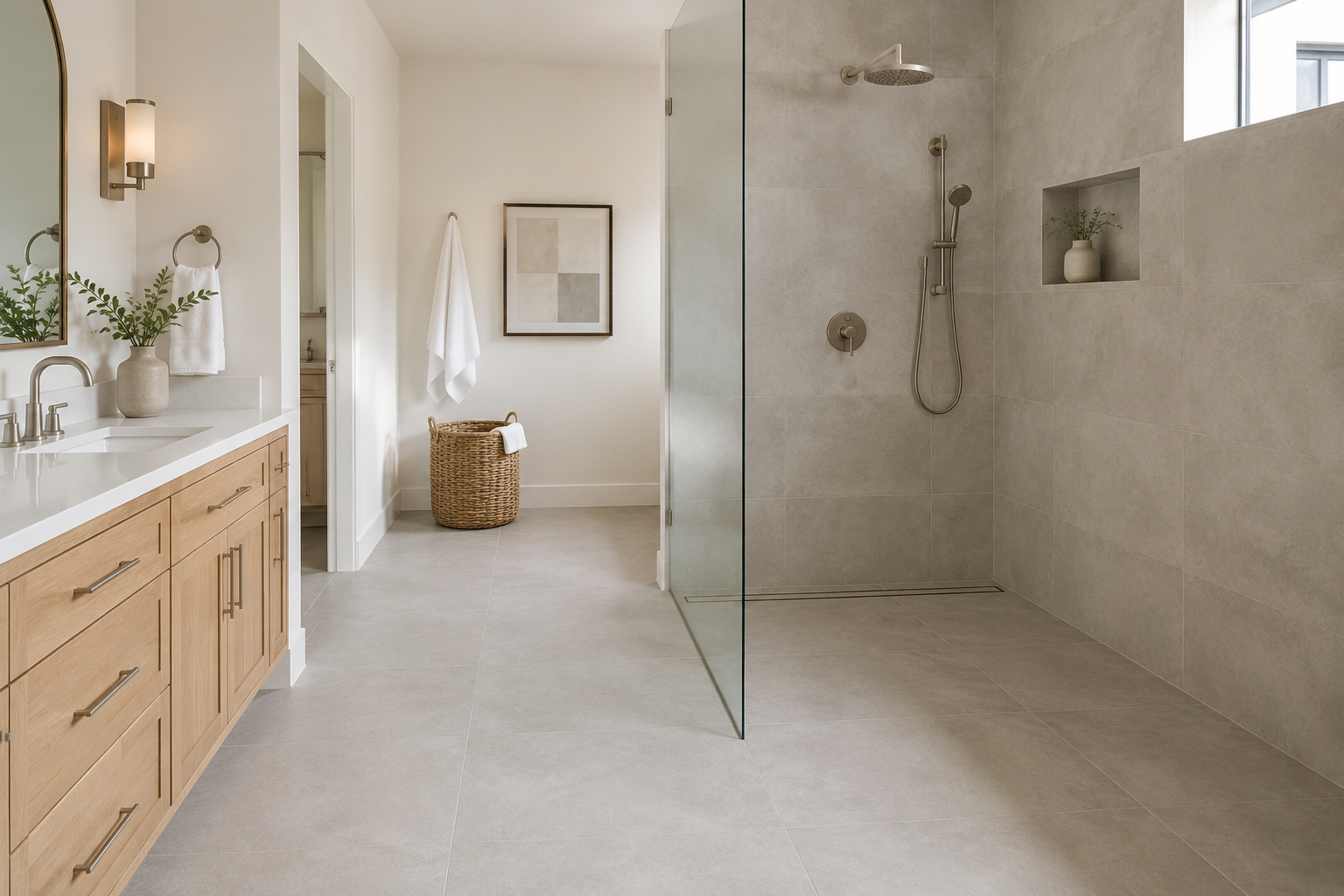
Curbless showers are one of the most practical bathroom remodel trends right now. They create a cleaner, more open look, but the real difference comes from proper slope, waterproofing, drainage, and planning behind the tile.
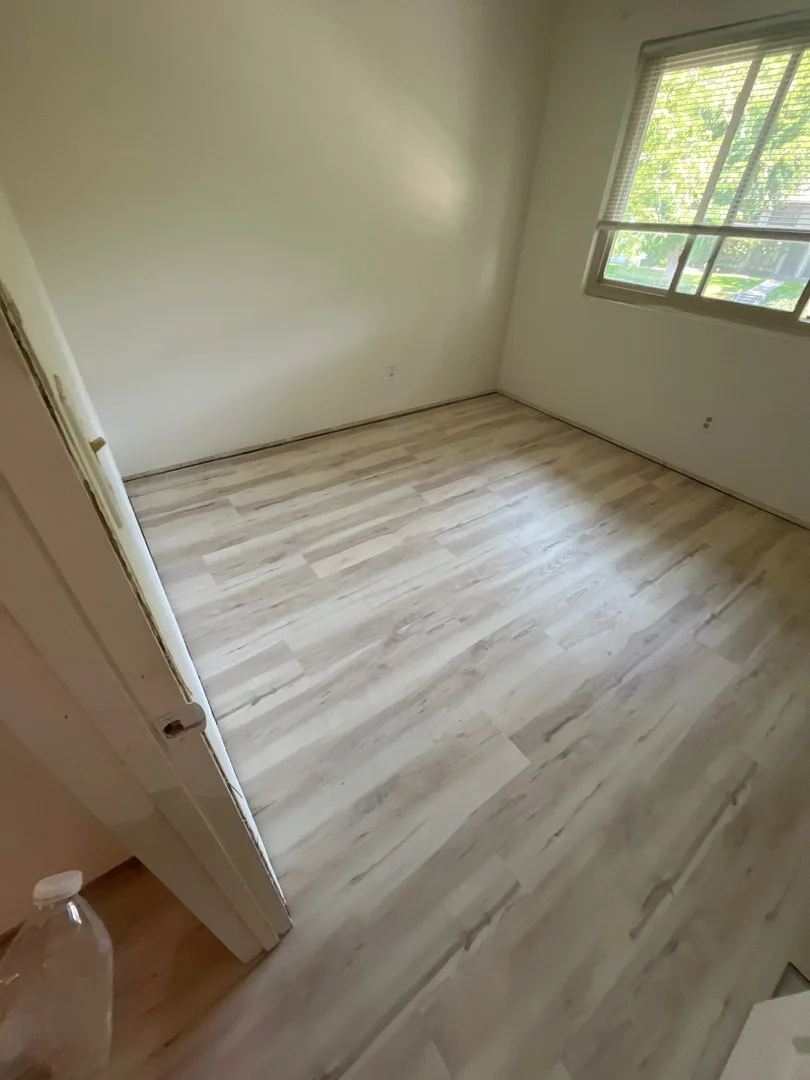
New flooring can completely change the feel of a home, but the part that matters most is often underneath. Before choosing materials or starting installation, San Diego homeowners should know how prep work, moisture, and subfloor issues can affect the final result.
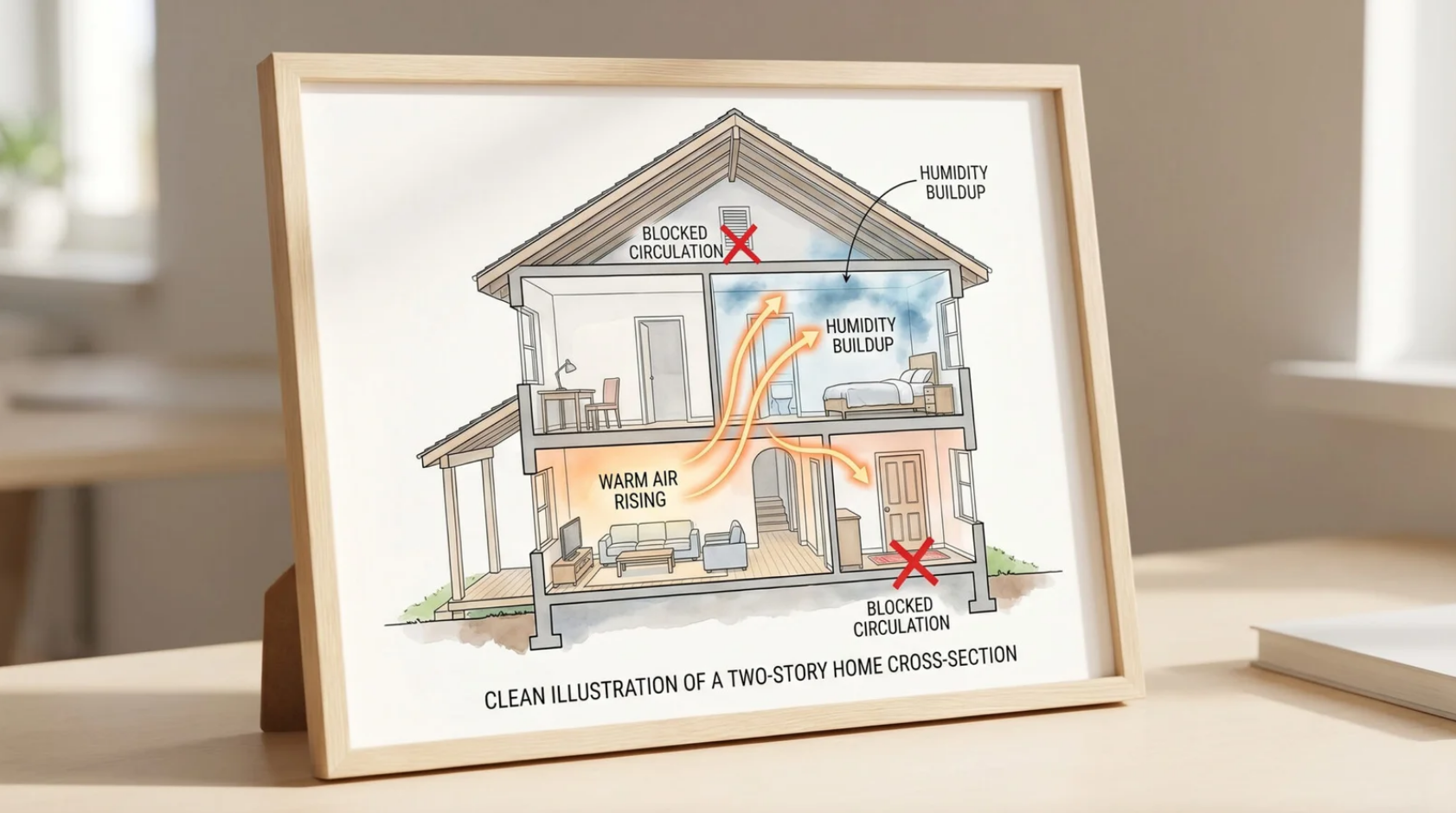
If your home feels humid even without an obvious leak, the issue may be tied to airflow, ventilation, exterior openings, or hidden moisture conditions. Here’s what San Diego homeowners should know before relying on dehumidifiers alone.
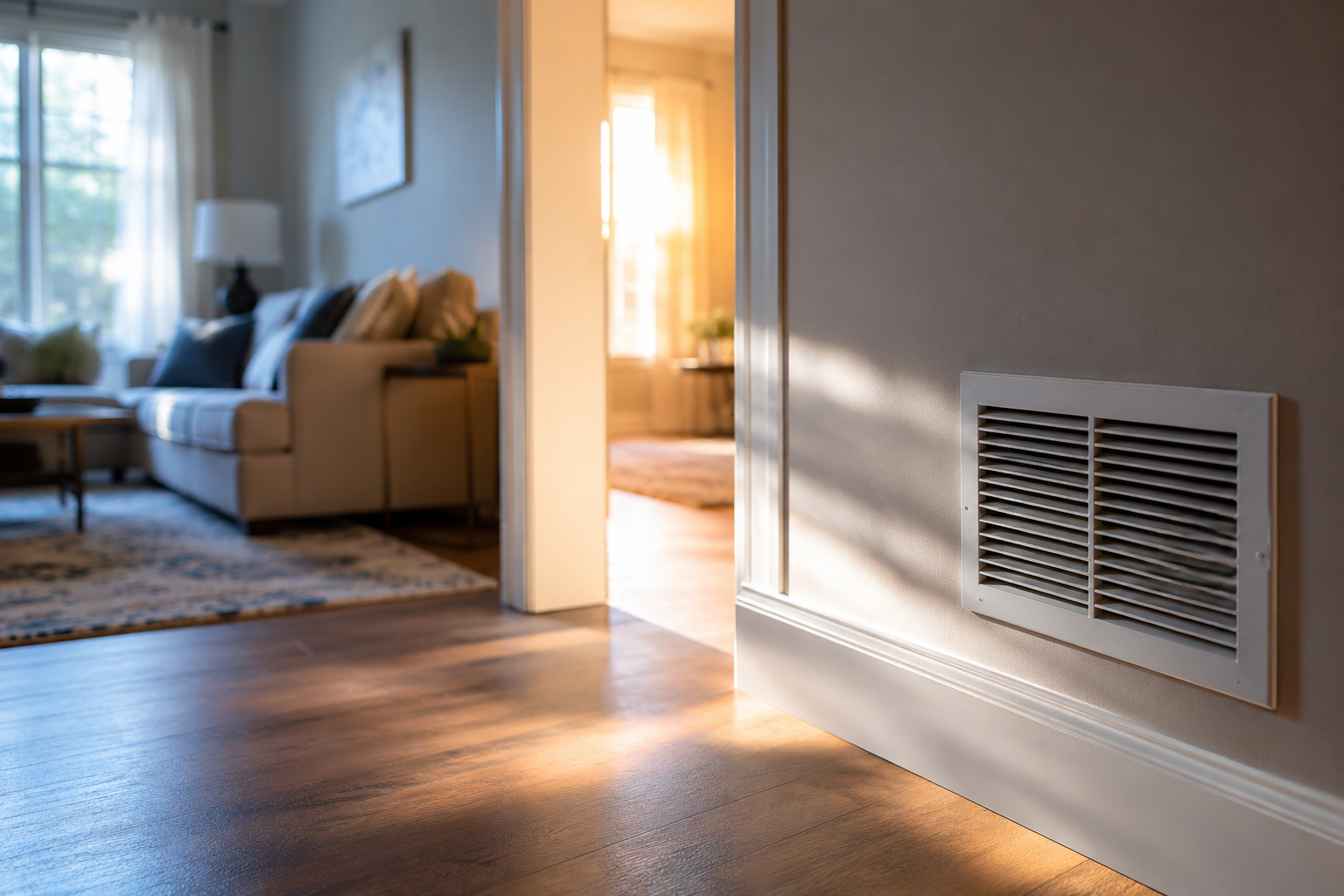
Uneven temperatures throughout your home aren't always caused by an aging HVAC system. In many San Diego homes, air leaks, poor insulation, blocked vents, or hidden construction issues can leave some rooms noticeably warmer than others. Learn what causes uneven heating and cooling—and why fixing the home's structure can often restore comfort without replacing your HVAC system.
Choosing tile for a busy part of your home involves more than picking a color or pattern. Learn how durability, texture, grout, and proper installation all work together to create floors that stand up to everyday life in San Diego homes.
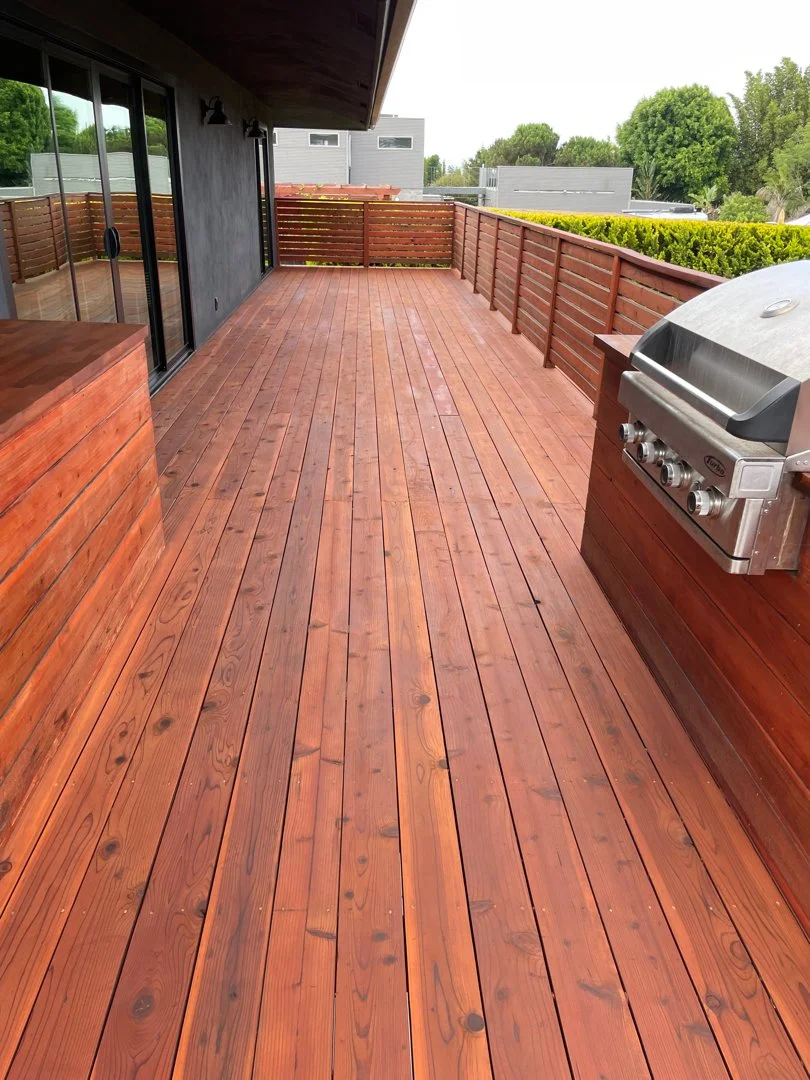
A beautiful deck is about more than appearance. The strength, stability, and longevity of any deck depend on what lies beneath the surface. Learn why professional construction, quality materials, and proper structural planning make all the difference for a deck that stays safe, comfortable, and built to last in San Diego.
Summer heat can reveal small home issues that are easy to overlook, from separating caulk to peeling trim or tiny exterior gaps. Here’s what San Diego homeowners should pay attention to before minor wear turns into a bigger repair.
A low estimate can be tempting, but the cheapest bid isn't always the best value. Learn why comparing the full scope of work—not just the final price—can help San Diego homeowners avoid unexpected costs, change orders, and expensive repairs later on.
Some carpentry is meant to be seen. Some is meant to support what you never see. In San Diego homes, knowing the difference between cosmetic and structural carpentry can help you avoid covering up a deeper issue with a nice-looking finish.
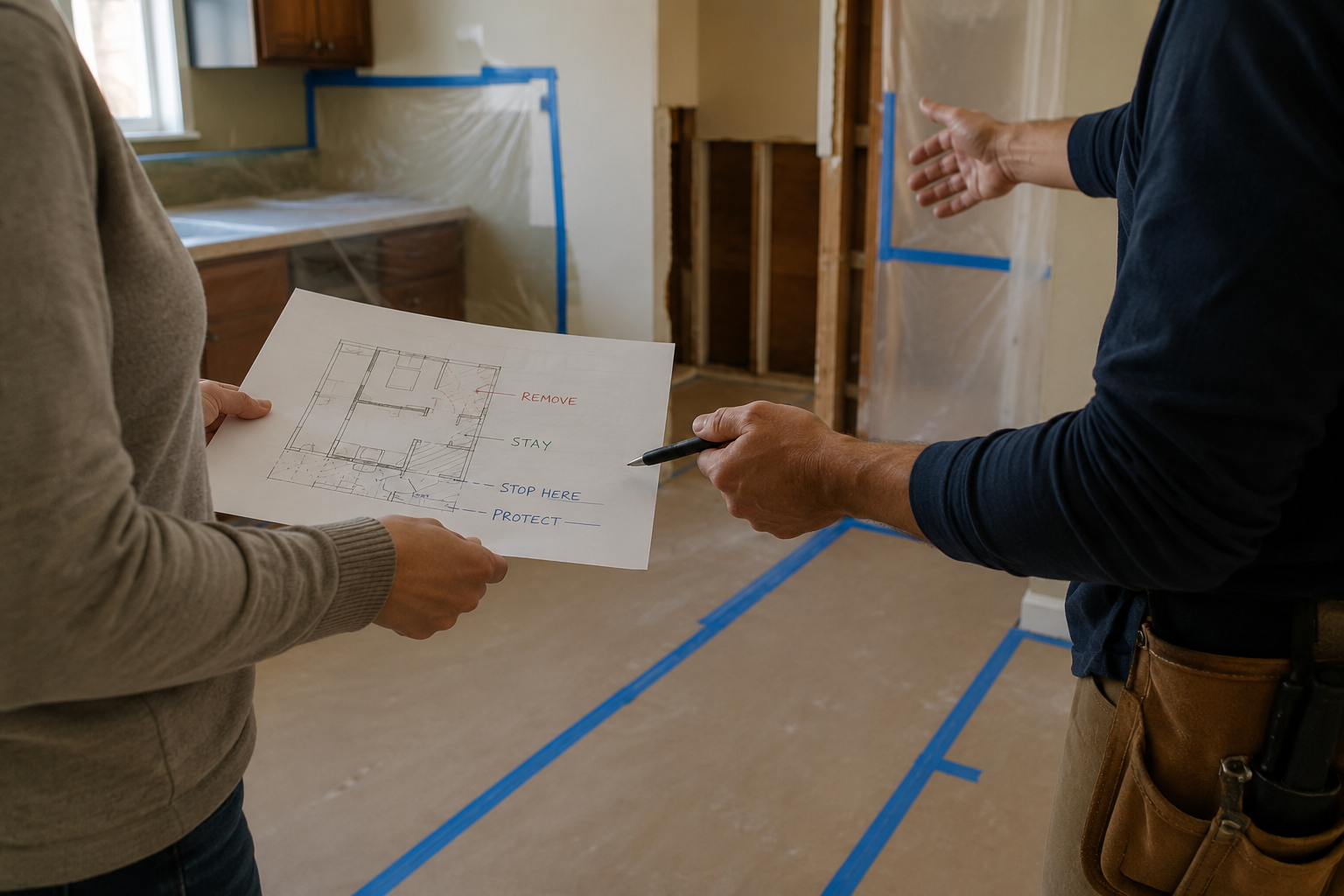
Demo day is more than dust and demolition. Before any walls come down, a professional remodel starts with planning, protection, and clear communication. From safeguarding your home and controlling dust to uncovering hidden issues behind walls, understanding what happens before demolition begins can help homeowners feel more prepared and confident throughout the remodeling process. Learn what to expect and how a clean, organized demo sets the foundation for a successful remodel.
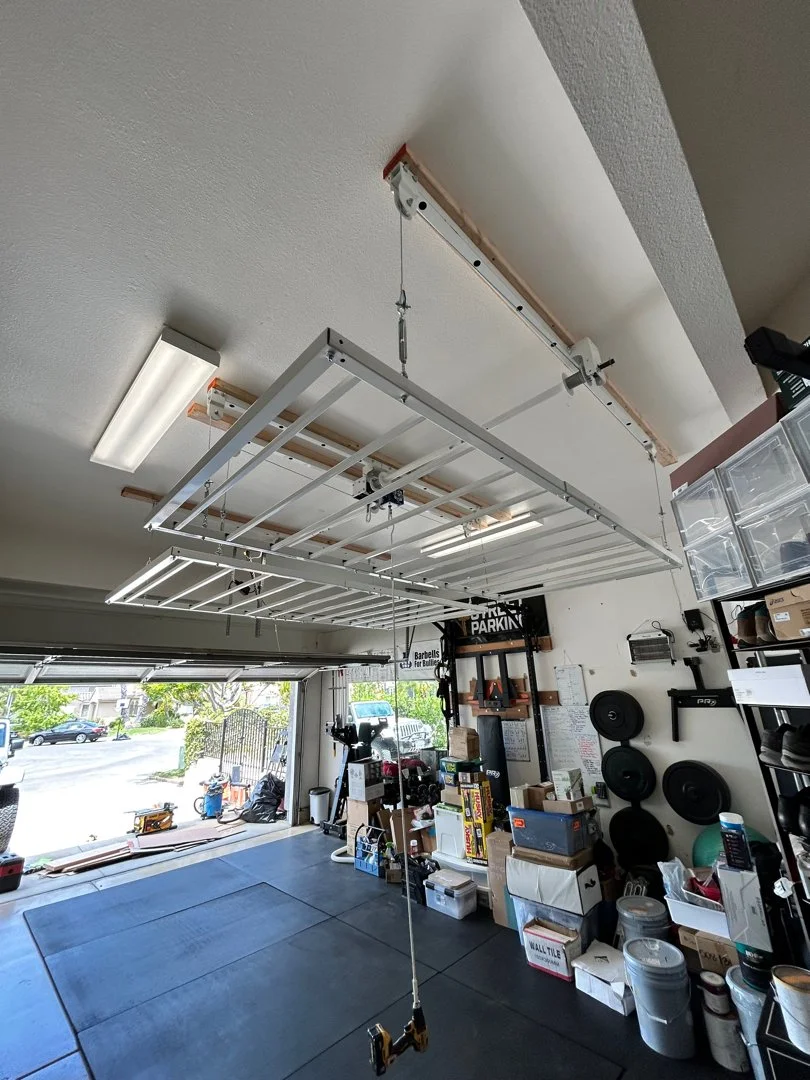
Running out of storage doesn't have to mean giving up your garage. With smart overhead storage, built-in cabinets, and better organization, homeowners can create significantly more usable space while still keeping room to park. The key isn't adding more storage—it's making better use of the space you already have.
A leaning fence after rain season is often a sign that something has changed below the surface. Saturated soil, drainage issues, erosion, and aging fence posts can all cause movement over time. Before investing in a repair, it’s important to understand what caused the fence to shift in the first place.
You replace the caulk, the crack disappears, and everything looks good again—until the same corner opens back up a few months later. The truth is, recurring shower corner cracks are often caused by movement beneath the surface, not the caulk itself. Here's what homeowners should know before patching the same problem again.
Many property owners think they're saving money by choosing the fastest, cheapest repair option available. Unfortunately, temporary fixes often hide the real problem instead of solving it. Whether it's water damage, cracked tile, drywall issues, or exterior deterioration, addressing symptoms without finding the root cause can lead to repeat repairs, bigger damage, and significantly higher costs down the road. Here's why the most expensive home repairs often start as "small" problems that were never fully fixed.
New cabinets don't automatically create a beautiful kitchen. One of the most common reasons cabinet installations look uneven, develop gaps, or appear misaligned has nothing to do with the cabinets themselves — it's the condition of the walls behind them. Learn how bowed walls, settling, drywall repairs, and other hidden issues can affect the final result, and why proper preparation is often the difference between an average installation and a truly polished kitchen.
Planning a bathroom remodel in San Diego? Before choosing tile, vanities, and fixtures, make sure hidden moisture issues aren’t lurking behind the walls or under the flooring. Learn why proper waterproofing, ventilation, moisture testing, and structural preparation are critical to creating a bathroom that looks great and performs well for years to come.
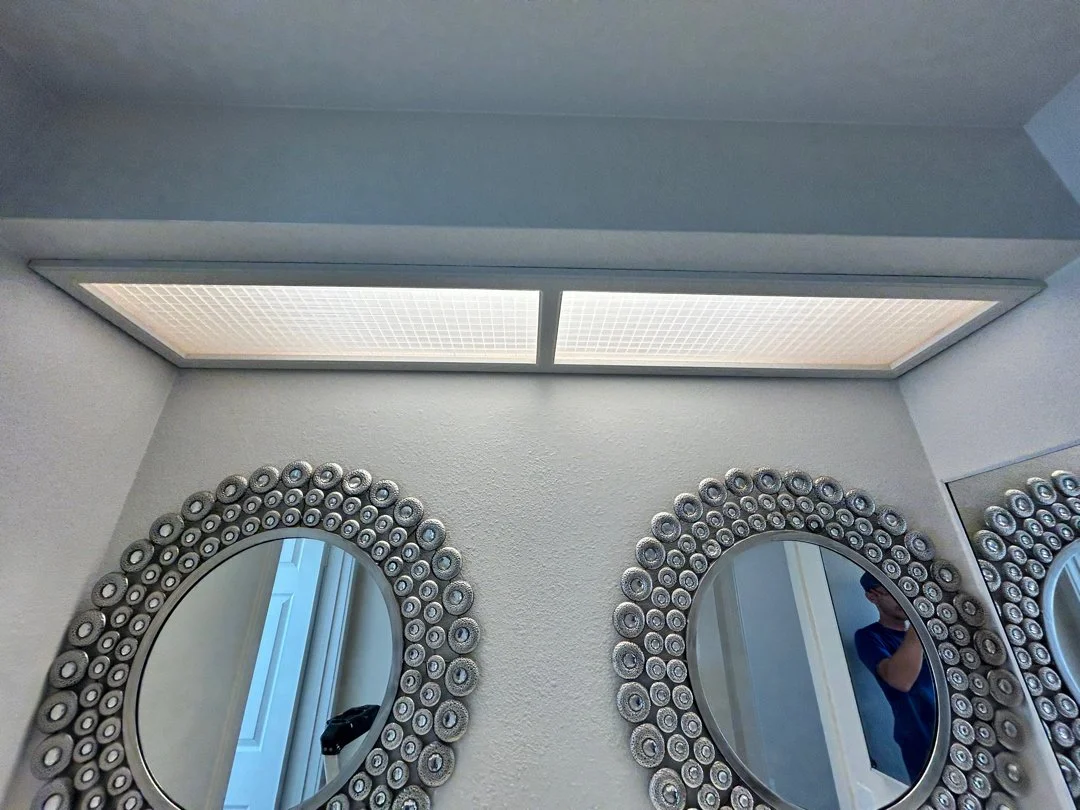
Removing an old bathroom mirror looks simple — until the glass cracks, the drywall tears apart, or hidden moisture damage gets exposed behind the wall.
Large vanity mirrors are often glued directly onto drywall, and years of humidity can make removals far more unpredictable than most homeowners expect.
Here’s why bathroom mirror removals can quickly turn into a much bigger repair project — and what to know before starting.